RV Adventure Blog Solo Female RV Travel Blog

RV Adventure Guide: An RV Blog From Canada, eh?

A Solo Full Time Traveler In Canada: Spilling The Beans

Are you curious about what it’s like to live a free and independent lifestyle, full time in an RV? If you’re looking for tips, tricks and a Canadian perspective from a full time solo RV traveller, you’re in the right place.

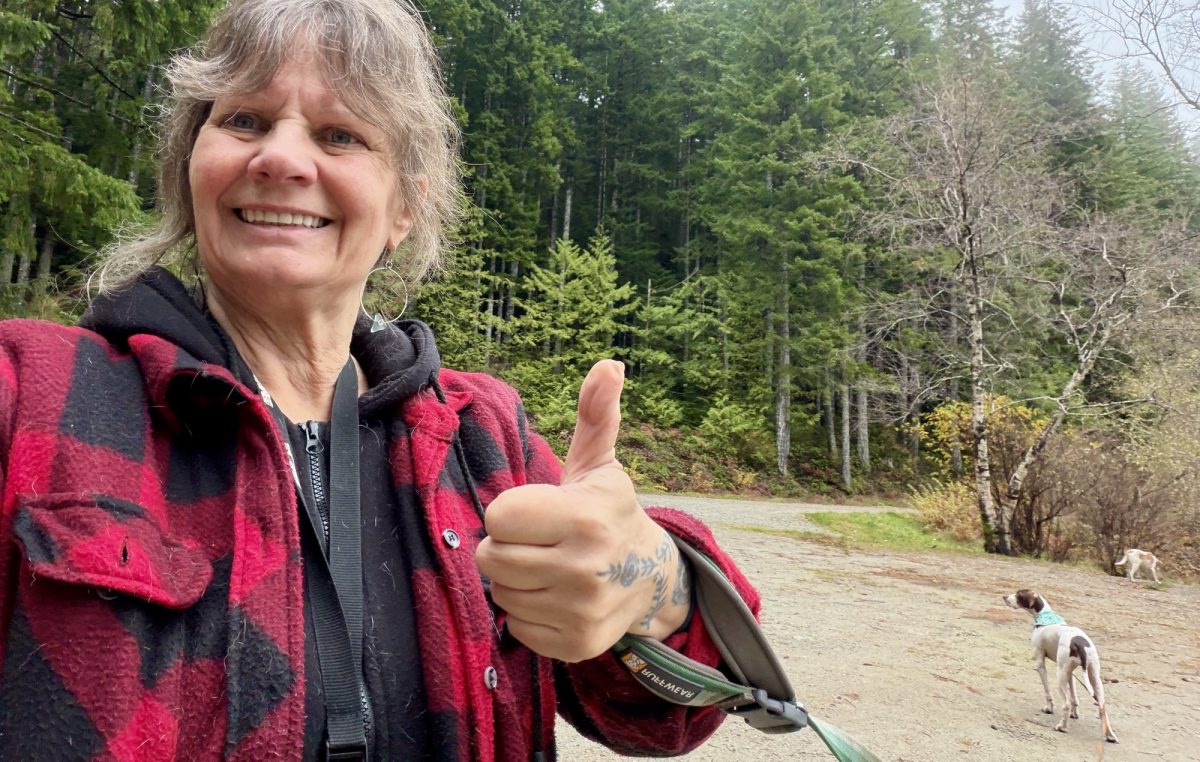
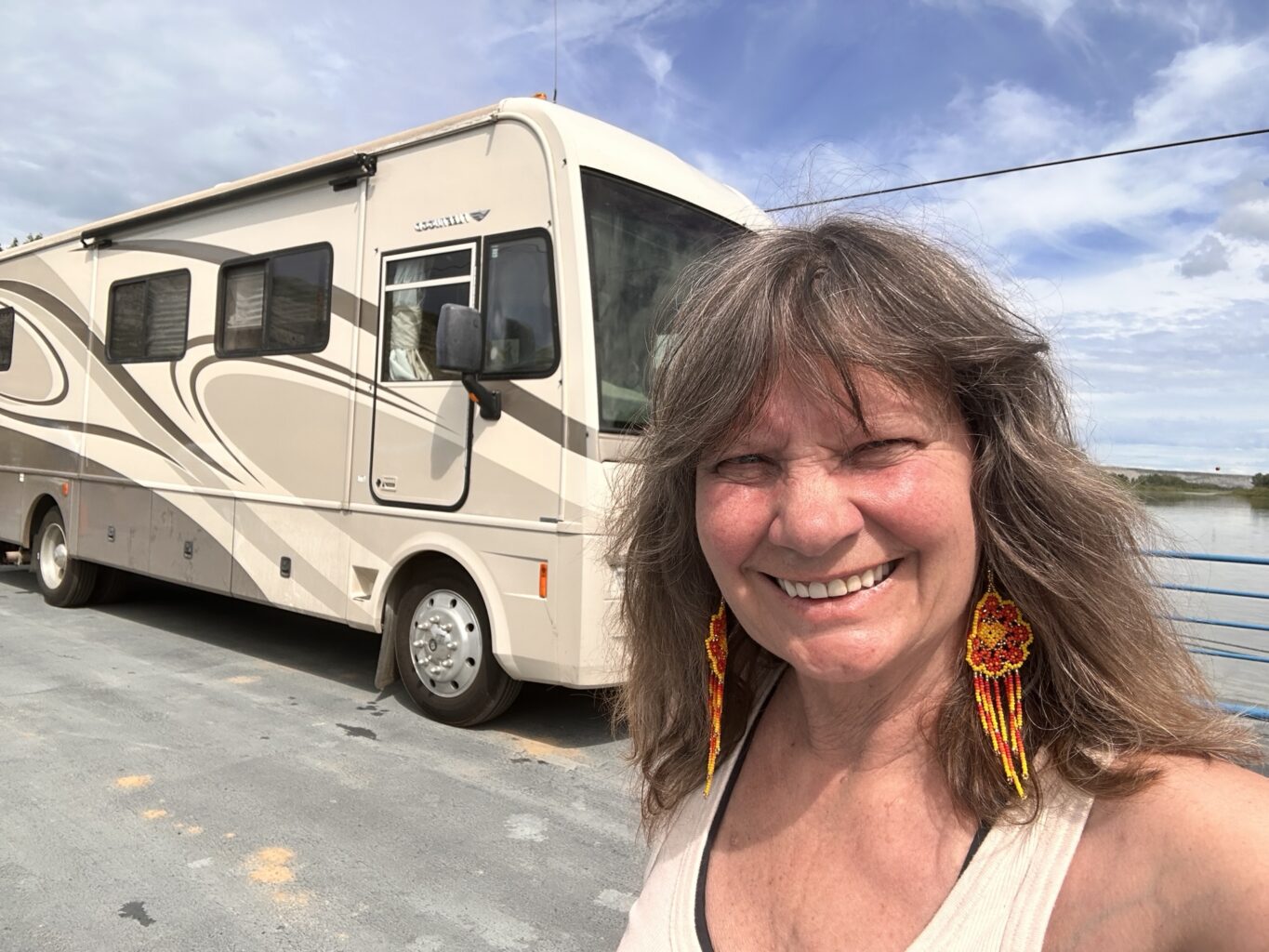
My name is Lynne Fedorick. I’m a canadian solo female traveller who lives, travels and works all over Canada and the USA in a Class A motorhome. I started this lifestyle as a personal challenge and the more I lived life in my beautiful RV, the more I fell in love with the freedom that full time RV life offers.

When I moved into my RV 7 years ago, I finally broke free of all of my debts, including a mortgage and a vehicle loan and more. I was finally able to get ahead. But aside of the financial advantages of full time RV life, I have the freedom to travel where I want, whenever it strikes me. Because my home has wheels. I thrive on exploring and waking up in beautiful, natural places every day.

Over the years, I’ve learned the joys, the challenges, and the pitfalls of full time solo travel in an RV. I’m here to share my story, and hopefully it inspires you to get the most out of your own life, and maybe even hit the road in your own RV!

RV Life Is Ever Evolving

In the last 7 years, I’ve written hundreds of insights into my daily life on Rpod Adventure, my first solo female travel blog. However, the time came when I wanted to share more information to a broader audience. My goal is always to help YOU to get the most out of RV Life, whether you just use your RV for weekend getaways, or you decide to run away to a life of freedom like me.

A Blog Library Of Stories To Help You On Your Own Journey


The RV Adventure Guide blog library shares real-life stories, with plenty of practical tips. I want to give you honest information about what it’s really like to live a nomadic lifestyle. I am currently setting up this website and blog, so there’s lots more to come.

Click the Youtube Button at the top of the page to access How-tos, product reviews, plant-based recipes, and valuable insights into RV travel and Full time RV living.

Click here to learn more about my personal journey into the RV lifestyle.

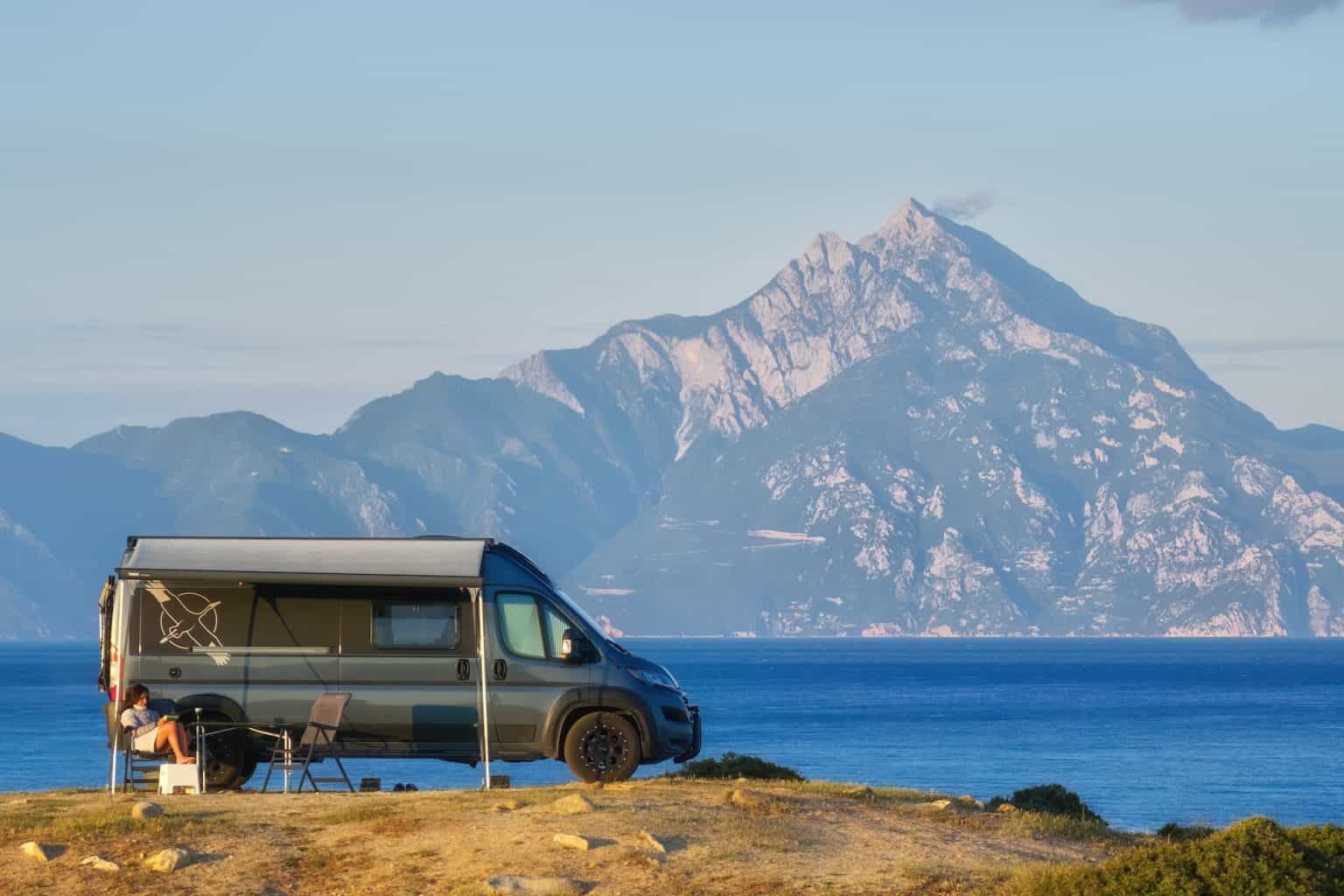
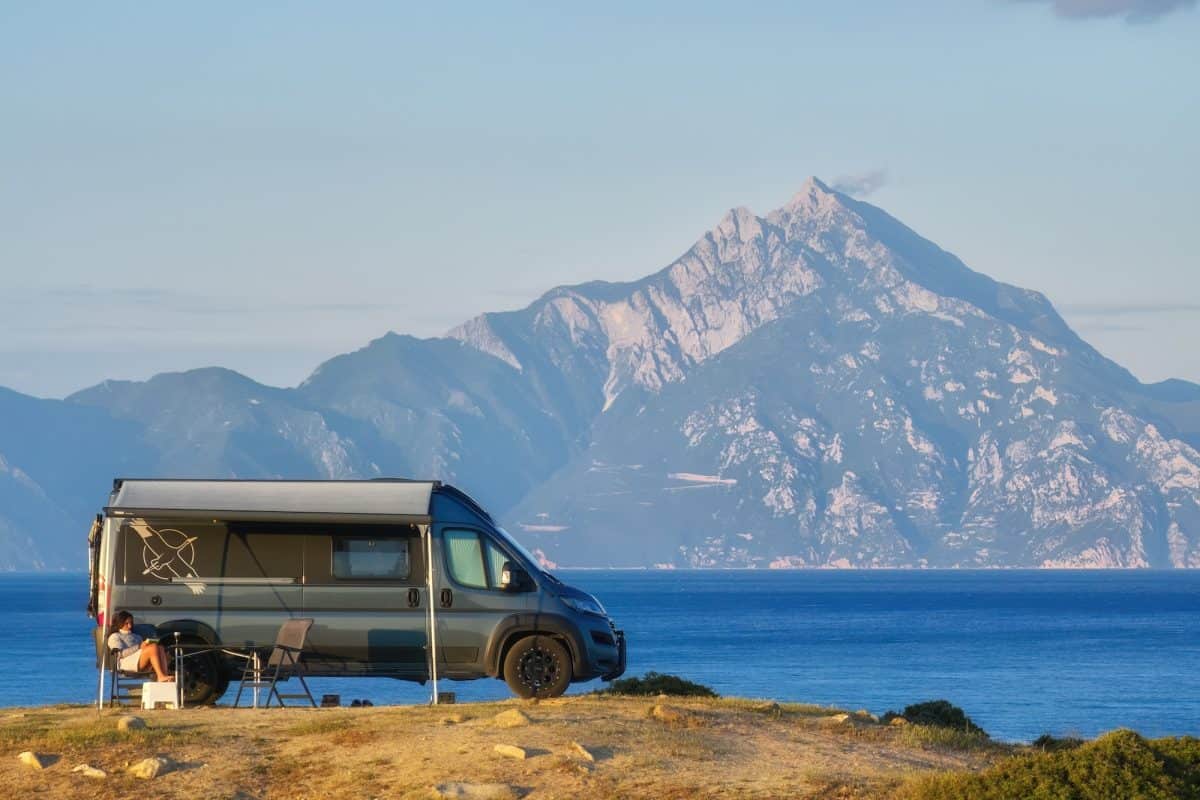
  • Class B RV camper van camping by lake with mountains in background

    Home on Wheels: 10 Compelling Reasons To Travel Full Time In An RV

    RV life has become more popular than ever, especially after the Covid epidemic popularized remote work.  One of the biggest demographic groups diving into the RV lifestyle are solo women over the age of 50. Come along as we explore why full time RV life appeals to so many women.

    by 
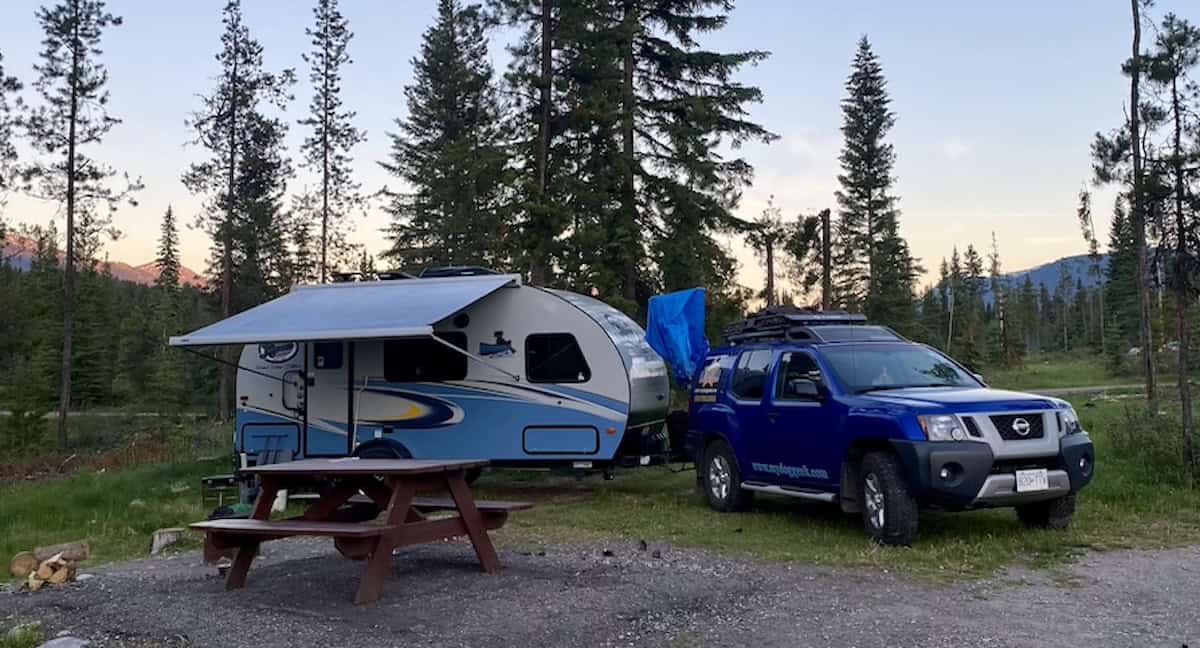
  • Lynne Fedorick Camping with her 2018 Forest River RPod 180 travel trailer in Jasper National park

    How to Choose the Right RV: Ultimate Guide for First-Time Buyers

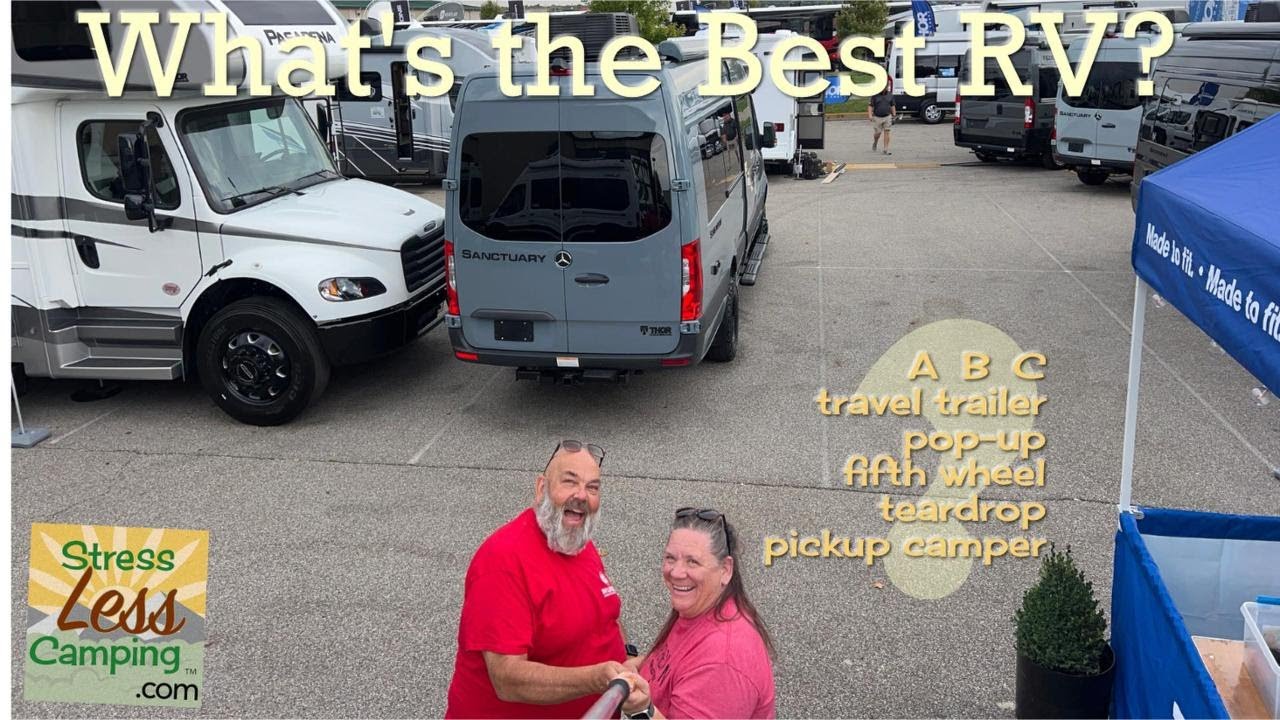
    Shopping for an RV should be exciting, not overwhelming. However, with 6 different RV types, hundreds of floorplans, plus a plethora of amenities and features, it can be difficult to decide which is the best RV for you. I mean, how you know which one of the thousands of RVs on the market is going…

    by 

  • Finding Free Camping On Vancouver Island: Exploring North of Campbell River

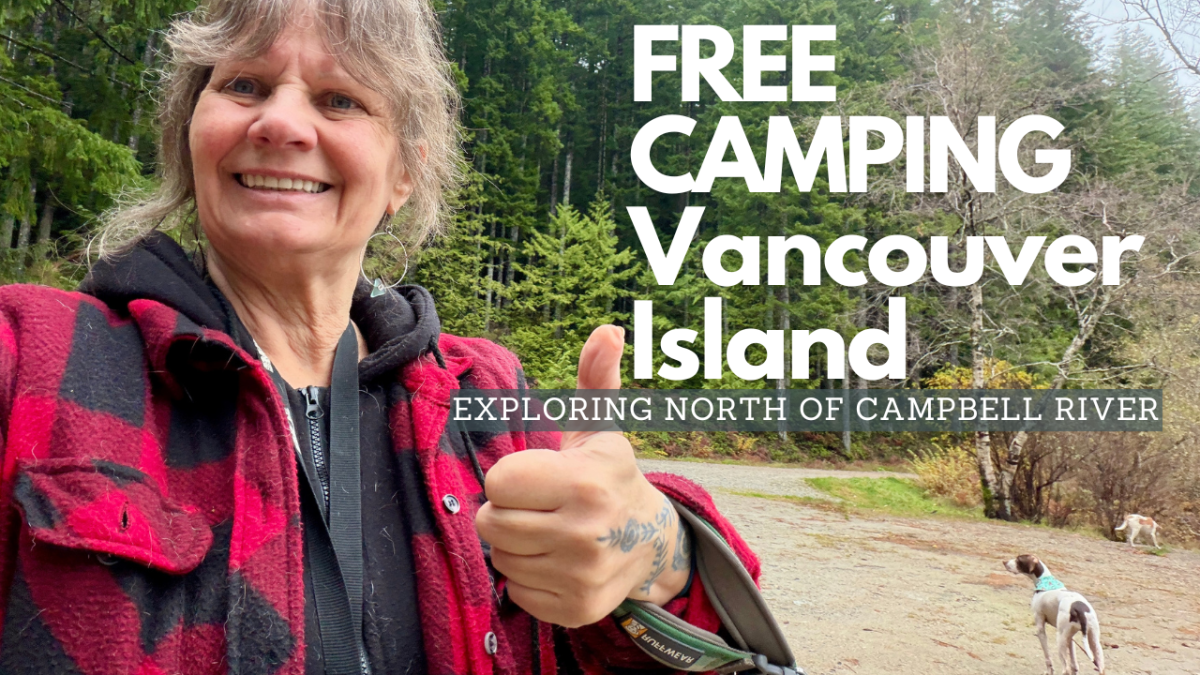
    Vancouver Island Recreation Sites: North Of Campbell River So I’ve been working a lot lately writing a lot of blogs for RV LIFE and RV Trader. But today I decided to take a break and go exploring. Because for me that’s what life is all about finding new places meeting new people and just enjoying…

    by 

  • Halloween Story: The Dullahan

    Happy Halloween! Here’s The Scariest Halloween Story Ever

    Happy Halloween! This year, the scariest prospect of Halloween is being stuck with a whole bunch of leftover chocolate goodies. We have two adorable little kids here at Ellie’s farm who will get frightening quantities of sugar from me and 3 other neighbours who are indulging in the spirit of Halloween- if they show up!…

    by 

  • Baby goats and yoga students in a yoga class

    Goat Yoga In Black Creek: Perfect Combination Of Fitness And Fun

    As the sun sets on another beautiful day in Comox Valley, 10 kids are getting ready to go to work. And by kids, I mean baby goats. The doors to the yoga studio open, and then in pour the yoga instructor’s gang of adorable assistants. These kids weren’t born yesterday, (well maybe 2 or 3…

    by 

  • old rv toilet

    Replacing An RV Toilet? Read This First!

    Upgrading My RV Toilet RVs aren’t built to last forever. With that said, everything in any RV will eventually break, even when they’ve been properly maintained. This isn’t unlike a house, but with so many plastic (and OSB strand board) components, things just don’t last as long in an RV. WIth that said, when my…

    by 

  • Saved By A Bike Rack!

    There’s a lot to be said for downsizing and simplifying life. However, it was my extra e-bike that saved Daisy Mae and Moonbeam from damage when we were rearended on our way home on Friday.

    by 

  • Bluetti AC Power station beside smiling woman

    Bluetti AC70: The Ultimate Portable Power Station for Boondocking

    The Bluetti AC70 Portable Power Station is a versatile, and compact yet powerful energy source. With 1000 Watts and 768 Watt hours, it charges appliances and electronic devices fast. Its versatility and features, including rapid charging and multiple outlets, make it an essential addition whether you’re car camping or boondocking in your RV.

    by 

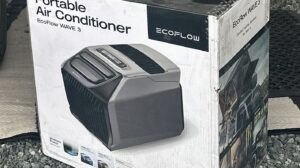
  • Ecoflow Wave 3 still in Box

    Camping Gear Review: EcoFlow Wave 3 Portable Air Conditioner

    EcoFlow Wave 3: Is This Port Air Conditioner A Good Fit For RV Life? I love doing camping gear reviews. That said, when Ecoflow reached out to me to review the Ecoflow Wave 3 Portable Air Conditioner, I got excited. As you might already know, Ecoflow has built its brand around eco-friendly energy solutions like…

    by 

Subscribe To Get The Latest Updates Delivered To Your Mailbox

  • Class B RV camper van camping by lake with mountains in background

    Home on Wheels: 10 Compelling Reasons To Travel Full Time In An RV

    RV life has become more popular than ever, especially after the Covid epidemic popularized remote work.  One of the biggest demographic groups diving into the RV lifestyle are solo women over the age of 50. Come along as we explore why full time RV life appeals to so many women.

    by 

  • Lynne Fedorick Camping with her 2018 Forest River RPod 180 travel trailer in Jasper National park

    How to Choose the Right RV: Ultimate Guide for First-Time Buyers

    Shopping for an RV should be exciting, not overwhelming. However, with 6 different RV types, hundreds of floorplans, plus a plethora of amenities and features, it can be difficult to decide which is the best RV for you. I mean, how you know which one of the thousands of RVs on the market is going…

    by 

  • Finding Free Camping On Vancouver Island: Exploring North of Campbell River

    Vancouver Island Recreation Sites: North Of Campbell River So I’ve been working a lot lately writing a lot of blogs for RV LIFE and RV Trader. But today I decided to take a break and go exploring. Because for me that’s what life is all about finding new places meeting new people and just enjoying…

    by 

  • Halloween Story: The Dullahan

    Happy Halloween! Here’s The Scariest Halloween Story Ever

    Happy Halloween! This year, the scariest prospect of Halloween is being stuck with a whole bunch of leftover chocolate goodies. We have two adorable little kids here at Ellie’s farm who will get frightening quantities of sugar from me and 3 other neighbours who are indulging in the spirit of Halloween- if they show up!…

    by 

  • Baby goats and yoga students in a yoga class

    Goat Yoga In Black Creek: Perfect Combination Of Fitness And Fun

    As the sun sets on another beautiful day in Comox Valley, 10 kids are getting ready to go to work. And by kids, I mean baby goats. The doors to the yoga studio open, and then in pour the yoga instructor’s gang of adorable assistants. These kids weren’t born yesterday, (well maybe 2 or 3…

    by 

  • old rv toilet

    Replacing An RV Toilet? Read This First!

    Upgrading My RV Toilet RVs aren’t built to last forever. With that said, everything in any RV will eventually break, even when they’ve been properly maintained. This isn’t unlike a house, but with so many plastic (and OSB strand board) components, things just don’t last as long in an RV. WIth that said, when my…

    by 

  • Saved By A Bike Rack!

    There’s a lot to be said for downsizing and simplifying life. However, it was my extra e-bike that saved Daisy Mae and Moonbeam from damage when we were rearended on our way home on Friday.

    by 

  • Bluetti AC Power station beside smiling woman

    Bluetti AC70: The Ultimate Portable Power Station for Boondocking

    The Bluetti AC70 Portable Power Station is a versatile, and compact yet powerful energy source. With 1000 Watts and 768 Watt hours, it charges appliances and electronic devices fast. Its versatility and features, including rapid charging and multiple outlets, make it an essential addition whether you’re car camping or boondocking in your RV.

    by 

  • Ecoflow Wave 3 still in Box

    Camping Gear Review: EcoFlow Wave 3 Portable Air Conditioner

    EcoFlow Wave 3: Is This Port Air Conditioner A Good Fit For RV Life? I love doing camping gear reviews. That said, when Ecoflow reached out to me to review the Ecoflow Wave 3 Portable Air Conditioner, I got excited. As you might already know, Ecoflow has built its brand around eco-friendly energy solutions like…

    by 
Like This? Share It!

Home on Wheels: 10 Compelling Reasons To Travel Full Time In An RV

Home on Wheels: 10 Compelling Reasons To Travel Full Time In An RV
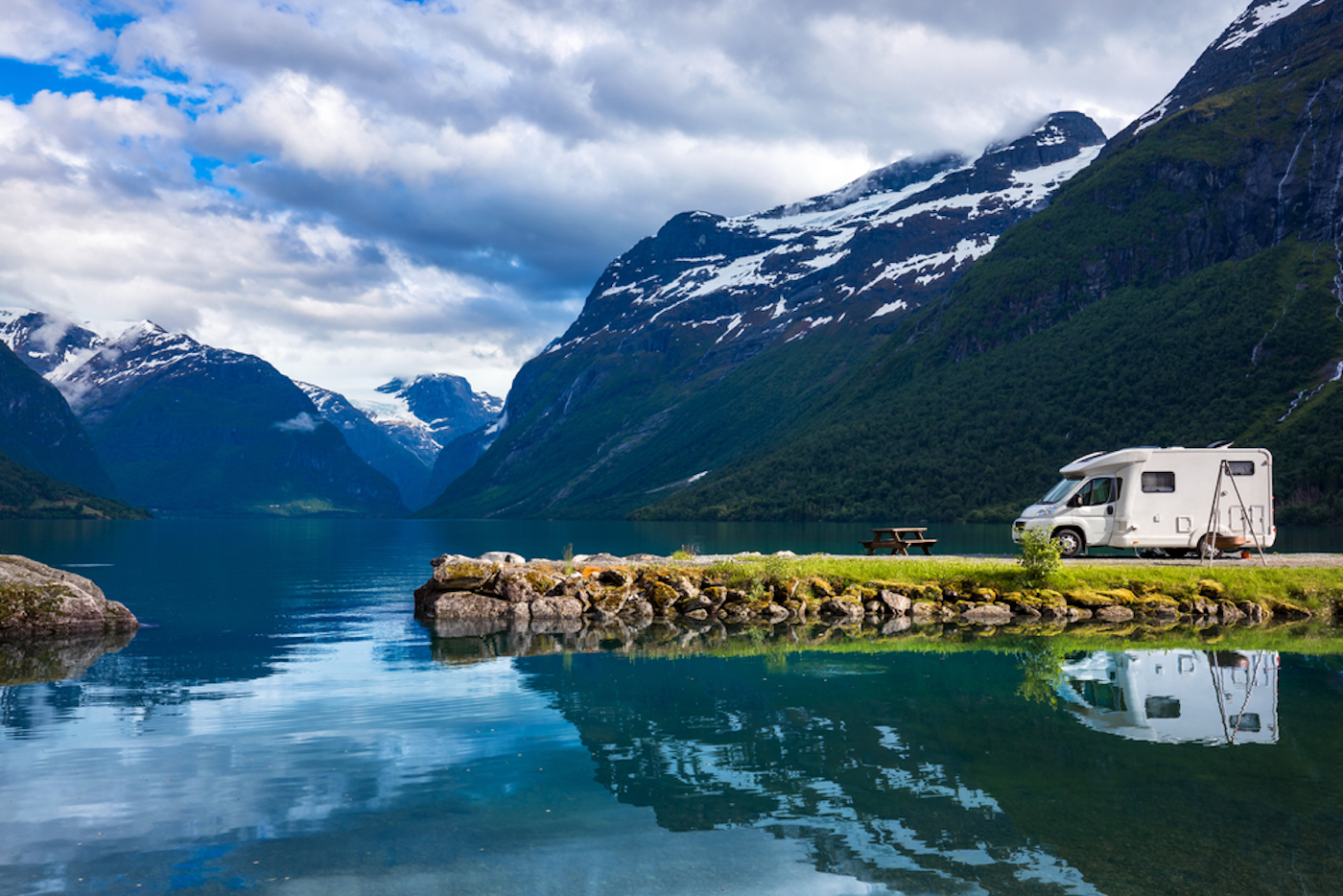
Full time RV life offers the opportunity to live by a lake or wherever you want
IMAGE: Shutterstock

10 Reasons Women Are Choosing Full Time RV Life

It’s been more than 7 years since I downsized my life to fit into the small footprint of an RV.  And since that time, the allure of travelling full time has become an obsession for me.  But I’m not the only one.  RV life has become more popular than ever, especially after the Covid epidemic popularized remote work.  Not only that, but one of the biggest demographic groups diving into the RV lifestyle are solo women over the age of 50. 

It’s a practical and environmentally sustainable lifestyle. And it’s one that that offers the ability to travel wherever you decide to go, whenever you want.  That’s a freedom that’s all too rare when you’re tied to a traditional home. If you’ve been on the fence about whether to make the leap into this amazing lifestyle, here are 9 compelling reasons to go full-time in an RV. 

1.  Living Full Time In An RV  Reduces Your Environmental Impact

One of my major reasons for moving into my RV was this:  Living full time in an RV can have a much lower impact on the environment than living in a traditional home.  To start with, unlike most homes, my RV didn’t require wild lands to be cleared or logged. Maintenance of my RV requires a lot fewer natural resources as well. For example, when it’s time to change out the roof, I’ll be changing out about 320 square feet of rubber roofing, instead of 1600′ on a typical house. 

Even cleaning my RV contributes less chemicals to the environment than cleaning a typical traditional home.  You know exactly how much water you have and how much you use when you live in an RV.  It means you just don’t waste freshwater like you do in a house. Plus, with its smaller footprint, an RV doesn’t require as much electricity or fuel for heating and cooling.  Not only that, but a solar power system incredibly easy to hook up in an RV.

2. RV Life Can Be Very Affordable

Many full time RVers seek out free camping, often at beautiful recreation sites or unserviced campgrounds.  Of course this means your rig needs to be completely self contained, with a generator, solar power system and holding tank capacities to get you through at least a week.  It also means being comfortable and self sufficient in remote places. 

Many other full time RV travellers choose to pay for an RV site or parking spot where they can plug in and have access to services.  RV sites usually cost between $700 and $1200 per month, depending on the time of year and region.  Many of us do this for part of the year, and spent the rest of the year traveling and boondocking along the way.

3. RV maintenance is easier than maintaining a house

You don’t get out of doing home maintenance when you live full time in an RV.  However, the jobs tend to be simpler, and anyone with a minimal level of handiness can easily do them.  Even though there are always going to be times when you need to call a certified RV technician to fix things, the good news is RV techs are usually easy to find. 

4. You’ll enjoy minimalist simplicity

You don’t need much to live in a small space.  You might think that whittling down the unending and superfluous stuff that most of us fill a traditional home with to the bare necessities would leave you wanting.  For me it was incredibly freeing.  Not only that, but with each thing I sold, gave away or took to the dump, I felt just a little more free to do what I wanted.  An RV comes with all the furniture and most of the appliances you need, and the more stuff you put in it, the more weight you have and the more complicated life becomes.  That makes it easy to keep minimalism in mind.  

5. Increased flexibility and spontaneity

Are your new neighbours obnoxious? Do you have a toxic ex who won’t give up stalking you?  Do you just feel a sudden urge to hike in alpine wildflower meadows or enjoy cool ocean breezes in a heatwave?  Being a fulltime RV nomad makes it super easy to roll up the patio rug and get out of Dodge (or wherever you happen to be).

6. Work from anywhere

Thanks to advances in remote work and high-speed internet options, more people are turning their RVs into mobile offices. If you’re a creative freelancer, digital nomad, or remote worker, the RV lifestyle can provide the perfect environment for productivity, all while exploring the country. Working from an RV gives you the flexibility to travel without interrupting your career.

7. Explore new places

Full-time RV living offers a chance to live a life of unique experiences that you just can’t get when you’re stationary. From exploring remote destinations to experiencing local cultures and festivals, RV life opens up a world of exciting opportunities.  Each day is a brand new adventure waiting to unfold.

8. You might find yourself enjoying a healthier lifestyle

Full-time RV living often encourages an active and healthy lifestyle. It beckons you to explore new places. You find more time for outdoor activities like hiking, biking, and exploring, keeping you  physically active and mentally engaged.  DIscovering farmer’s markets, and new regional cuisines often means eating a healthier diet too.  Sure you might find yourself diving into a plateful of gravy and cheese curd laden poutine in Quebec, but you’ll walk it off exploring the sights of Quebec City anyway!  

9.  The opportunity to spend more time with loved ones

These days, family and friends are often further apart than ever.  RV travel offers the opportunity to visit family and friends without worrying about who’s looking after the house or the pets while you’re away.   

10. Wake up to a new beautiful view every day

I love waking up surrounded by beautiful natural landscapes.  One of the best parts about a full time RV lifestyle is that it offers the opportunity to wake up to a beautiful view every day.


Conclusion: Why Live Full-Time in an RV?

Making the decision to go full-time in an RV is a big step. With that said it’s certainly not for everyone. Before you make the leap, it’s a good idea to explore exactly how you define the word “home”.  For example, if you love spending weekends mowing the grass, cleaning gutters, or cleaning the house, living full time in an RV is probably not for you. 

However, for those who enjoy minimalism, the freedom to travel, lower housing costs, and opportunity for adventure, RV living can be an appealing lifestyle choice. Whether you’re looking to simplify your life, embrace a minimalist mindset, or enjoy a deeper connection with nature and your loved ones, full-time RV living offers an exciting and rewarding journey. 

Get inspired for your own journey:  Click here to subscribe to my blog/ 

Like This? Share It!

How to Choose the Right RV: Ultimate Guide for First-Time Buyers

How to Choose the Right RV: Ultimate Guide for First-Time Buyers
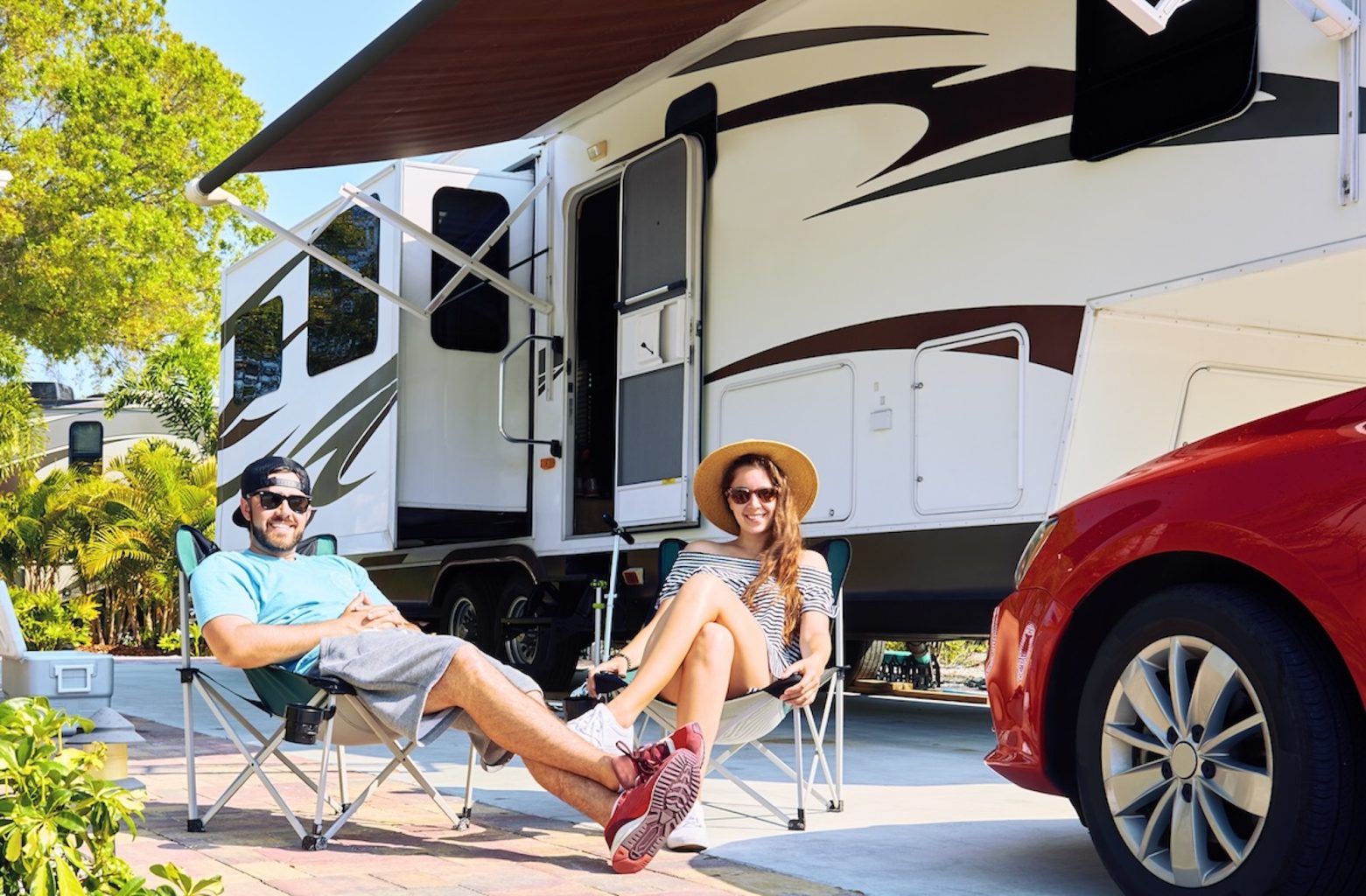
Happy couple sitting oon camping chairs outside the right RV for their lifestyle
Image: Shutterstock

Shopping for an RV should be exciting, not overwhelming. However, with 6 different RV types, hundreds of floorplans, plus a plethora of amenities and features, it can be difficult to decide which is the best RV for you. I mean, how you know which one of the thousands of RVs on the market is going to work for your unique needs? In this guide, I’ll break down how to choose an RV you’ll be happy with. As part of an ongoing series, this article will take a look at key considerations for purchasing an RV. We’ll also look at the benefits and drawbacks of each RV type. My goal is to help you avoid the mistake of spending a lot of money on an RV that you’re not happy with.

Why Choosing The Right RV Matters

RVs aren’t cheap. Unless you have deep pockets, buying the perfect RV the first time will save you a lot of of money. With that said, no matter what your budget or camping style is, there’s an RV out there that’s perfect for your particular camping style.

Whether you’re considering upgrading to an RV after a lifetime of tent camping, or planning to dive into full time RV life, choosing the perfect RV the first time will save you a lot of money. The problem is choosing the right RV can seem a little overwhelming because there are just so many to choose from. With 6 basic RV types represented by thousands of different RV models, there’s something for every camping style.

Key Considerations

  • Budget – your budget will obviously have a big influence on the RV you choose. By the ways While most RV dealers will offer great deals on RV financing, it almost never makes financial sense to borrow money to buy an RV. This is because your new RV will depreciate 20% as soon as you drive it off the dealer’s lot. After that, it will depreciate about 10% per year, meaning the outstanding balance of the loan will soon be more than the value of the RV. WIth few exceptions, you should always pay for an RV outright. Decide on the amount of money you can afford to spend, and buy an RV below that number,
  • Primary usage
  • Where do you intend to camp
  • Floor space
  • Number of sleeping spaces
  • Amenities and features
  • Storage
  • Off grid Sustainability
  • 4 Season capabilities
  • Wet vs dry bath
  • Where will you store the RV when it’s not being used?

RV Classes And Best Uses

Whether you gravitate towards cross country road trips, off-grid camping, glamping at an upscale RV resort, or any combination of these camping styles, the first thing you’ll want to do is define your camping goals. If your idea of RVing is weekend camping trips with the family, your needs will be different from someone who wants to leave the RV parked at a southern resort as a winter destination.

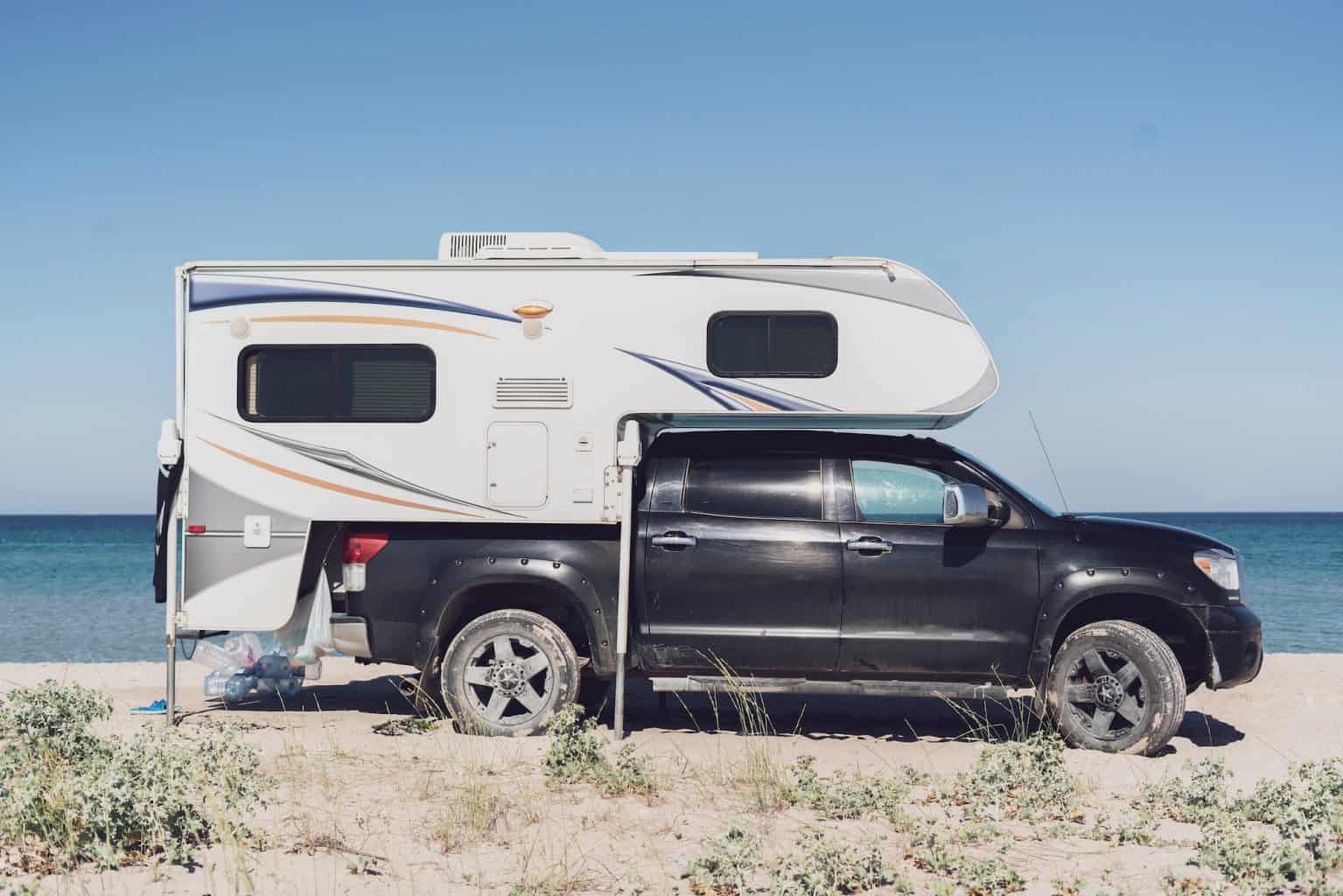
truck camper parked on beach
Image: Shutterstock

Truck Campers

My first camper was a small, basic truck camper that I bought for a few hundred dollars from some friends who no longer used it. When I say basic, I mean it. It had a miniscule kitchenette with a cooktop and sink, a dining table that converted into a double bed, and a queen bunk. Nonetheless, It was a fun little camper that my kids, 2 dogs, and I made good use of on a big cross country road trip as well as off road camping near Squamish.

Truck campers have come a long way since those days. Although you won’t find any with a washer and dryer, most truck campers now boast a wet bath, and some even offer a dry bath, with a separate shower for a more residential ambience. Some offer a microwave and a gas oven as well as an LED TV and solar power system

Average MSRP:

  • New truck campers: $15,000 CAD to $85,000 CAD
  • Used: $10,000 CAD to $40,000 CAD

Best For:

  • RV Beginners
  • Off grid camping
  • Road Trips

Pros:

  • Compact and easy to store
  • No setup required- everything is ready to go when you get there
  • Accomodations wherever you go
  • Lots of amenities
  • Often have a shower and a cassette toilet
  • Sleep up to 4

Cons:

  • Limited floorspace
  • Sleeping accommodations are limited
  • Not a lot of storage space
  • Limited amenities compared to other RV types
  • Access to the main sleeping area will require agility
  • if you’re on a road trip and the truck needs service, the camper has goes to the mechanic with it.
  • Your home on wheels goes everywhere with you.
  • tiny holding tanks
Lynne Fedorick Camping with her 2018 Forest River RPod 180 travel trailer in Jasper National park
IMAGE: Lynne Fedorick

Travel Trailers

I love travel trailers because-well, that’s all in the name. Travelling with a travel trailer allows you to enjoy luxurious amenities and most of the comforts of home whether your at camp or traveling across the country. One of the best things about a travel trailer is that they’re so versatile. You can get a travel trailer to suit virtually any size of tow vehicle, from a motorcycle to a 1 ton pickup. Plus, when your home on the road is a travel trailer, you can leave it at camp while you take off to explore the local sights and attractions. Of course, travel trailers have a few drawbacks too. The first of these is that these tiny homes on wheels require time an patience to learn how to tow back into a campsite.

Average MSRP (CAD):

  • Tent trailers: $15,000
  • Lightweight Seamless Fibreglass trailers: $16,000 +
  • Entry level hard sided: $25,000-$60,000
  • Large luxury models with premium features: $100,000+

Best For:

  • Road trips
  • Weekend camping trips in summer
  • Extended use for work accommodations
  • Accomodation for skiing or other winter activities
  • Mobile guest suite for visiting family or friends
  • Snowbirding
  • Camping at national, provincial or state parks
  • Off grid camping in the middle of nature
  • Full time RV life

Pros

  • Relatively low cost
  • Available in a wide range of sizes and configurations
  • Often loaded with amenities including air conditioning
  • Smaller ones can be towed with a small SUV or pickup
    • Teardrop versions can be towed with a car (some are motorcycle towable)
    • Don’t have to break camp to explore the local attractions or run errands
  • Large holding tanks make off grid life convenient
  • No stairs inside

Cons

  • Learning to tow and back can have a steep learning curve
  • Large travel trailers require a vehicle that has adequate towing and payload capacity
  • Not as stable to tow as a fifth wheel
  • Often require weight distribution hitch and sway bars for safe towing
  • Easy for thieves to steal if not locked with multiple locks
  • HOA rules might not allow them to be stored at home
  • Need to pay for insurance for the RV and the tow vehilcle
  • Cargo carrying capacity limitations
  • Not self contained
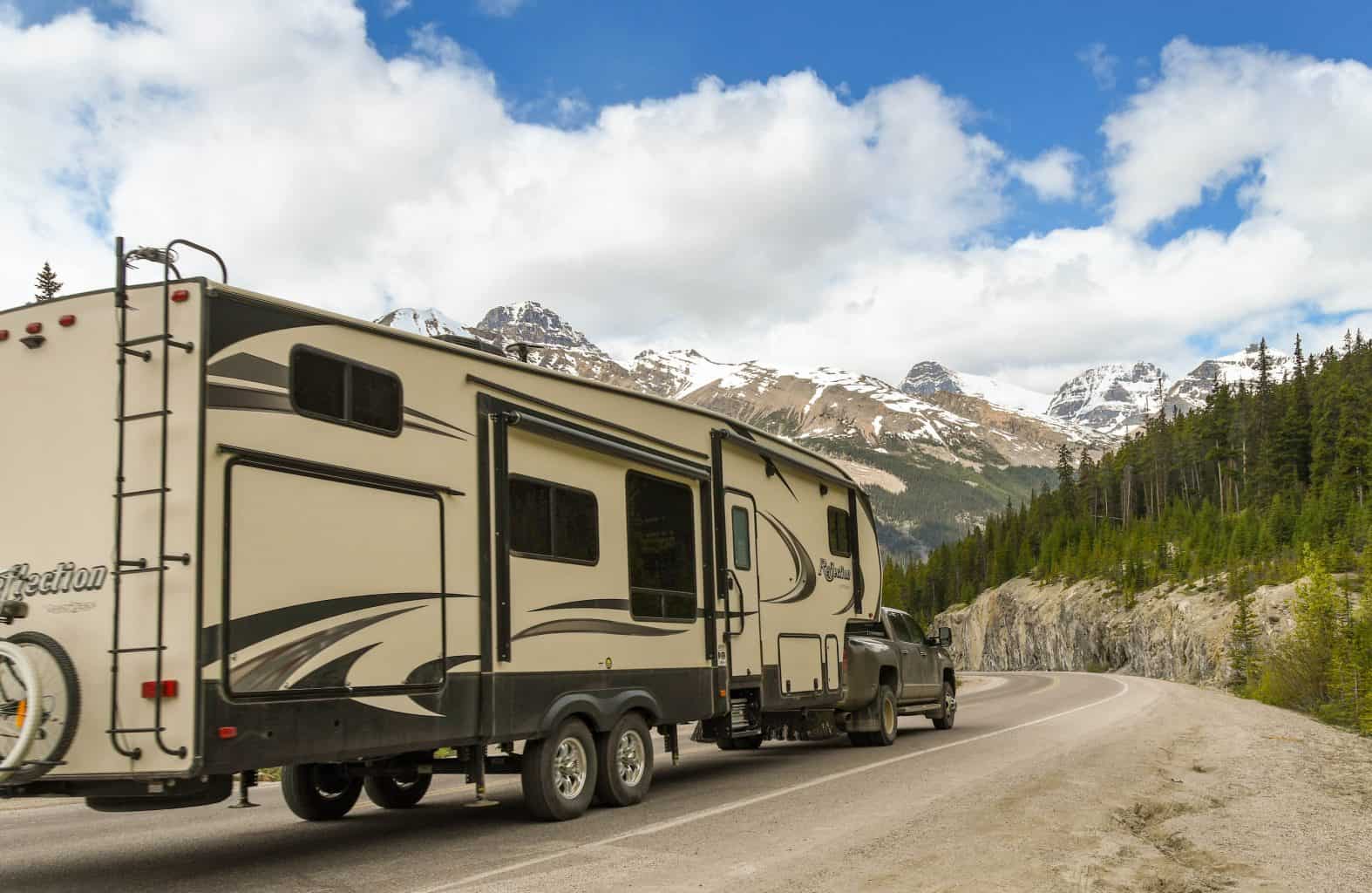
Fifth wheel travel trailer being towed in mountains
Image: Shutterstock

Fifth Wheel Trailers

Fifth wheel trailers feature lots of space and all the comforts of home on two levels. Designed for extended use, they’re perfect for those looking for a luxurious home on wheels that’s a sensible alternative to a tiny home. As an added bonus, fifth wheels typically offer a more stable towing experience than travel trailers, owing to different hitch components. It should be noted that most fifth wheels are hefty beasts, and most of them are best towed by a 3/4 ton or better tow vehicle.

Average MRSP : $70,000 – $150,000

Best For

  • Road trips
  • Weekend camping trips in summer
  • Extended use for work accommodations
  • Accomodation for skiing or other winter activities
  • Mobile guest suite for visiting family or friends
  • Snowbirding at full hookup RV parks
  • Full time RV living

Pros:

  • Loaded with premium amenities and features
  • More stable towing experience
  • Large tank capacities
  • Residential ambience
  • Usually have an island kitchen
  • Self contained bedroom
  • One or more full bathrooms
  • Spacious inside
  • Lots of storage inside and outside

Cons

  • Towing often requires a 3/4 ton or better pickup
  • Long and tall- drivers should have prior towing experience
  • Can be difficult to navigate around campground and RV resort roads
  • Won’t fit into some campsites
  • Fuels costs for transport are high
  • Need to pay for insurance for the RV and the tow vehicle
  • Not self contained
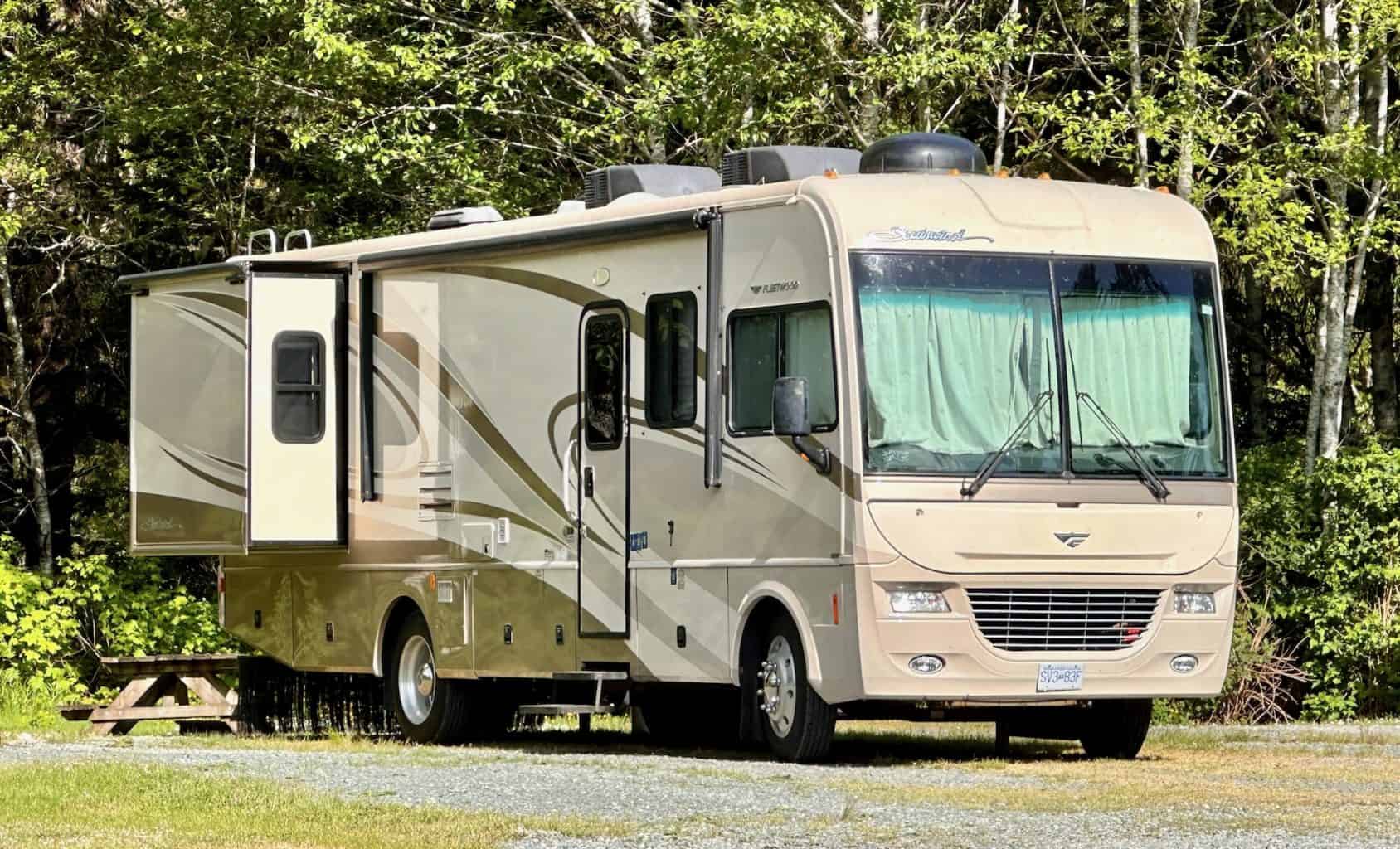
Class A RVs offer the finest in luxury camping
Image: Lynne Fedorick

Class A RVs

Class A motorized RVs are built on a bus chassis with either two or 3 axles. In a Class A RV the driver and co-pilot sit over the front axle. This positioning offers an awesome view of the road and everything happening on it. Class A RVs are classified as either gassers (motor at the front) or diesel pushers (motor at the back). Class A gassers generally have higher ground clearance, and lower towing capacity than their diesel pusher counterparts. Either way, these RVs are ready to for the open road, with very little set up required when you reach your destination. Both types of Class A RV are designed to provide a lot of residential style luxury. However diesel pushers often feature heavier amenities like bar cabinets, residential light fixtures, Italian tile floors and granite counter tops

Average MRSP: $160,000 to $3,000,000+

Best For:

  • Extended travel
  • Full time RV living
  • RV parks and some campgrounds
  • Off grid glamping

Pros

  • Completely self contained
  • Lots of luxurious amenities
  • Loads of interior and exterior storage
  • Multiple air conditioners
  • Capable of towing a second vehicle for exploring/errands
  • Fantastic views from a high position
  • Designed to keep you comfortable on or off grid
  • Built in generator and inverter to run everything when you’re off grid
  • Towing capacity allows

Cons

  • Heavy duty mechanics can be hard to find when you need one
  • Having a Class A RV towed for repairs is really expensive
  • Mechanical bills can be very expensive, especially with a diesel coach
  • Tall and long- can be difficult to navigate in some RV parks and campgrounds
    • Extensive driving experience recommended
    • Not stealthy at all for overnight camping
    • Fuel economy: 6-8mpg
Class B RV camper van camping by lake with mountains in background

Class B Campers

The smallest motorized RVs are Class B RVs. Commonly known as campervans, class B RVs are often the choice of adventure seekers who want an RV they can also use as a daily driver. Campervans started gaining popularity in the 1960’s. The VW van in particular became a cultural icon representing the freedom and bohemian lifestyle of the hippie movement. After the 1960’s were over, campervans moved into the background of the cultural landscape, mostly as a niche vehicle for hippyish outdoor enthusiasts. Fast forward to 2020, when society slammed into the utter weirdness that was the so-called covid-crisis. It was about that time that Baby boomers, Gen Xers, and Millenials converged on RV dealerships, seeking options that would allow them to avoid contact with humanity, other than their close relatives. Camping was perfect. Thousands of Millennials discovered they could now work at online jobs from the comfort of an RV office anywhere in the country.

Class B RVs Offered Freedom For A New Generation

What RV would be more perfect for a generation that wasn’t ready to settle down just yet, than the Class B camper van? Although prebuilt vehicles were being sold like hotcakes at RV dealers, many of these digital nomads chose to buy vans, and build them out into customized homes on wheels. Building out a van yourself was a lot cheaper at a time when a nice Class B RV could cost as much as $300,000.

There are now numerous upfitters who turn Mercedes Sprinter or Ford Transit vans into custom Class B RVs. That’s because these RVs remain exceedingly popular. They offer more freedom than ever, with lift kits, popup roofs, solar power systems and the ability to park overnight so innocuously that nobody notices. Class B RVs remain the RV of choice for those who want to pursue a nomadic lifestyle while spending most of their time off grid. But with the right floor plan, a Class B can be a perfect daily driver and camper for families. Imagine taking your family camping, coming home, and then going a soccer tournament the next week completely prepared with accommodations, food, and everything else to get you through the weekend.

Average MRSP: $110,000 to over $300,000 USD

Pros

  • Available with diesel, gas or electric chassis
  • Have everything necessary to go off grid for a few days
  • No setup necessary when you get to your campsite- everything’s ready
  • Excellent view of the road
  • Offer amenities including kitchen appliances, air conditioning solar power setups, charging ports, cassette toilets and showers
  • Agile enough to get into small campsites
  • Awning for additional living space outdoors
  • Can tow a cargo trailer for additional storage
  • Fuel economy: Gas: Up to 22-25 MPG ( Ford Transit chassis). Diesel: 15-18 MPG (Mercedes Sprinter chassis)

Cons

  • Small floorspace can feel cramped, especially for more than one person
  • Not as many luxury amenities as other types of RVs
  • Very limited storage space for food, clothing and gear
  • Have to break camp to run errands or go sightseeing
Class C RV camping at campsite with trees in background
Image: Shutterstock

Class C RVs

Class C RVs are built on a cutaway van or truck chassis. Their recognizable by their bunk-over-the-cab configuration. Class C RVs are a great do-it-all RV for weekend camping, road trips or full-time RV life because they offer lots of features, amenities. as well as more floor area storage space than a Class B Campervan. Many RVers who are new to motorized RVs perceive them less intimidating to drive than comparable Class A RVs. With that said, most Class C RVs usually offer higher ground clearance than Class A RVs and some even feature lift kits, to get into more remote campsites.

Other than the common configuration of having a bunk over the cab, Class C RVs vary widely. Entry level Class C RVs are fairly spartan, compared to ultra-luxurious Super C RVs which are built on a heavy duty truck chassis.

Average MRSP:

The MRSPs of Class C RVs vary widely according to chassis type and fuel. The following is a breakdown of prices for new Class C RVs, sourced from RVTrader.com

  • Budget/Compact (Gas): ~$70,000 – $130,000+
  • Standard Gas/Diesel: ~$130,000 – $275,000+ (e.g., Jayco Redhawk/Greyhawk, Winnebago Spirit)
  • Luxury/Specialty (Diesel/AWD): ~$215,000 – $300,000+ (e.g., Winnebago EKKO, Leisure Travel Vans Unity)
  • Super C (Diesel): ~$150,000 – $600,000+ (e.g., Thor Magnitude, Jayco Seneca)

Best For:

  • Entry level RV
  • Camping off grid or with full hookups
  • Family camping trips
  • Weekend camping
  • Road trips

Pros:

  • Just like driving a pickup (but higher and longer)
  • Relatively affordable
  • Self contained
  • Extra sleeping or storage space over the cab
  • More affordable to maintain and repair than a Class A RV
  • Lots of luxurious amenities
  • Convenience of having access to the cabin from the interior
  • Convenient setup
  • Balance of Class A space and Class B versatility
  • Towing capacity allows towing a second vehicle for sightseeing of running errands

Cons

  • Fuel economy ranges between 7 MPG and 17MPG, depending on chassis and fuel type
  • Floorspace: Can feel more cramped than a Class A
  • May require steering stabilizers for better handling in windy conditions
  • Less storage space than a Class A
  • Maneuverability and tail swing
  • Lower ride quality than Class B or most Class A RVs
  • Less engine noise than gasser class A
  • Not stealthy at all for overnight camping
youtube placeholder image

Final Thoughts About Choosing The RIght RV For Your Needs

There’s no “one size fits all” when it comes to RVs. With that said, pinning down a budget you can live with, and having a rough idea of how your you’ll use your RV will go a long way to narrowing a broad field of potential RV models.

If you’re on the hunt for a family RV, I’m here to help you find one that you’ll be perfectly happy with. Subscribe to the RV Adventure Guide blog so you won’t miss upcoming articles. In the following weeks, we’ll looking be looking at every aspect of buying an RV, from identifying the right RV, to negotiating the best deal on an RV.

/

Like This? Share It!

Finding Free Camping On Vancouver Island: Exploring North of Campbell River

Finding Free Camping On Vancouver Island: Exploring North of Campbell River
free camping on vancouver island

Vancouver Island Recreation Sites: North Of Campbell River

So I’ve been working a lot lately writing a lot of blogs for RV LIFE and RV Trader. But today I decided to take a break and go exploring. Because for me that’s what life is all about finding new places meeting new people and just enjoying everything that life has to offer.

The best things in life are free, especially when it comes to camping on Vancouver Island, on the West coast of BC. I decided to go a short drive north of Campbell River to find free campsites that are both RV accessible and dog friendly. Elk bay and Stella Lake offer beautiful free campsites.

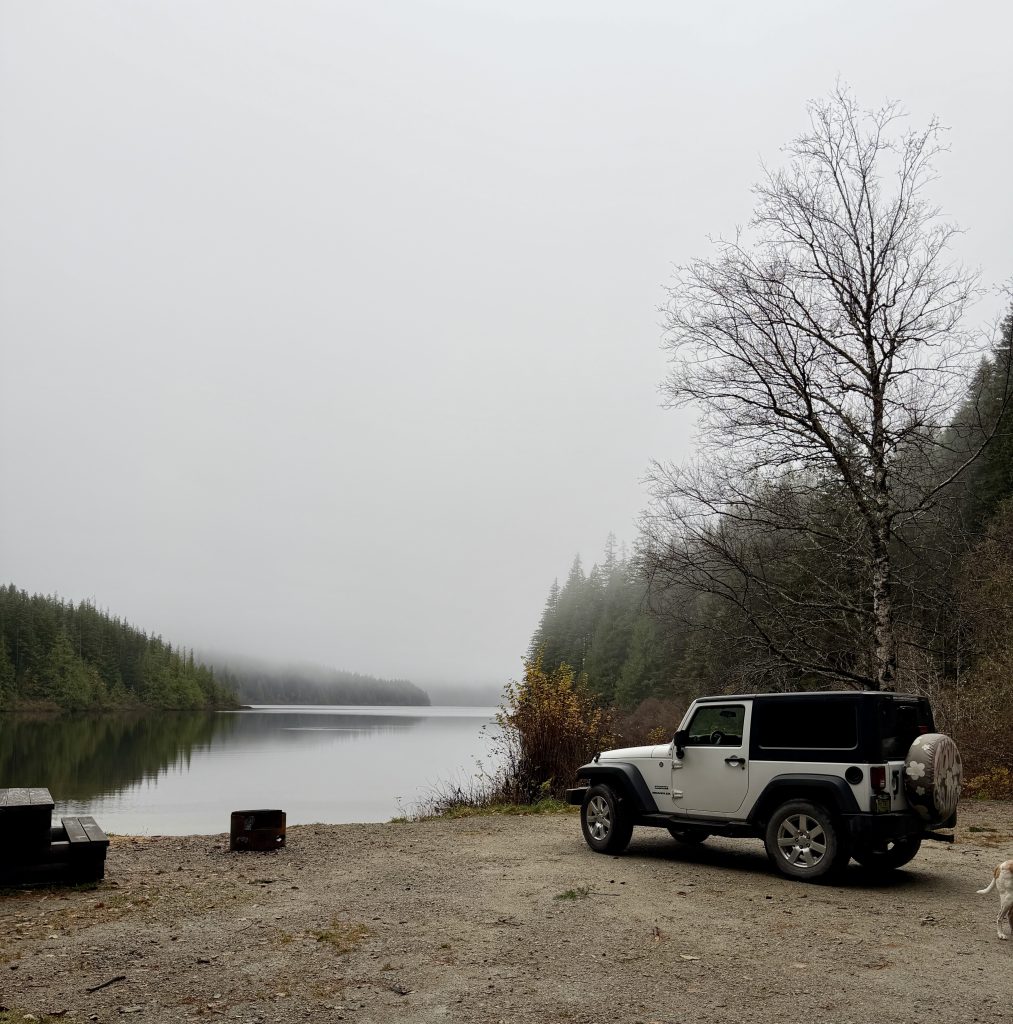
I wanted to see if I could get my class A RV down to these recreation sites. That said, it made sense to go exploring in my jeep Wrangler first because my jeep can pretty much handle anything the road has to offer.

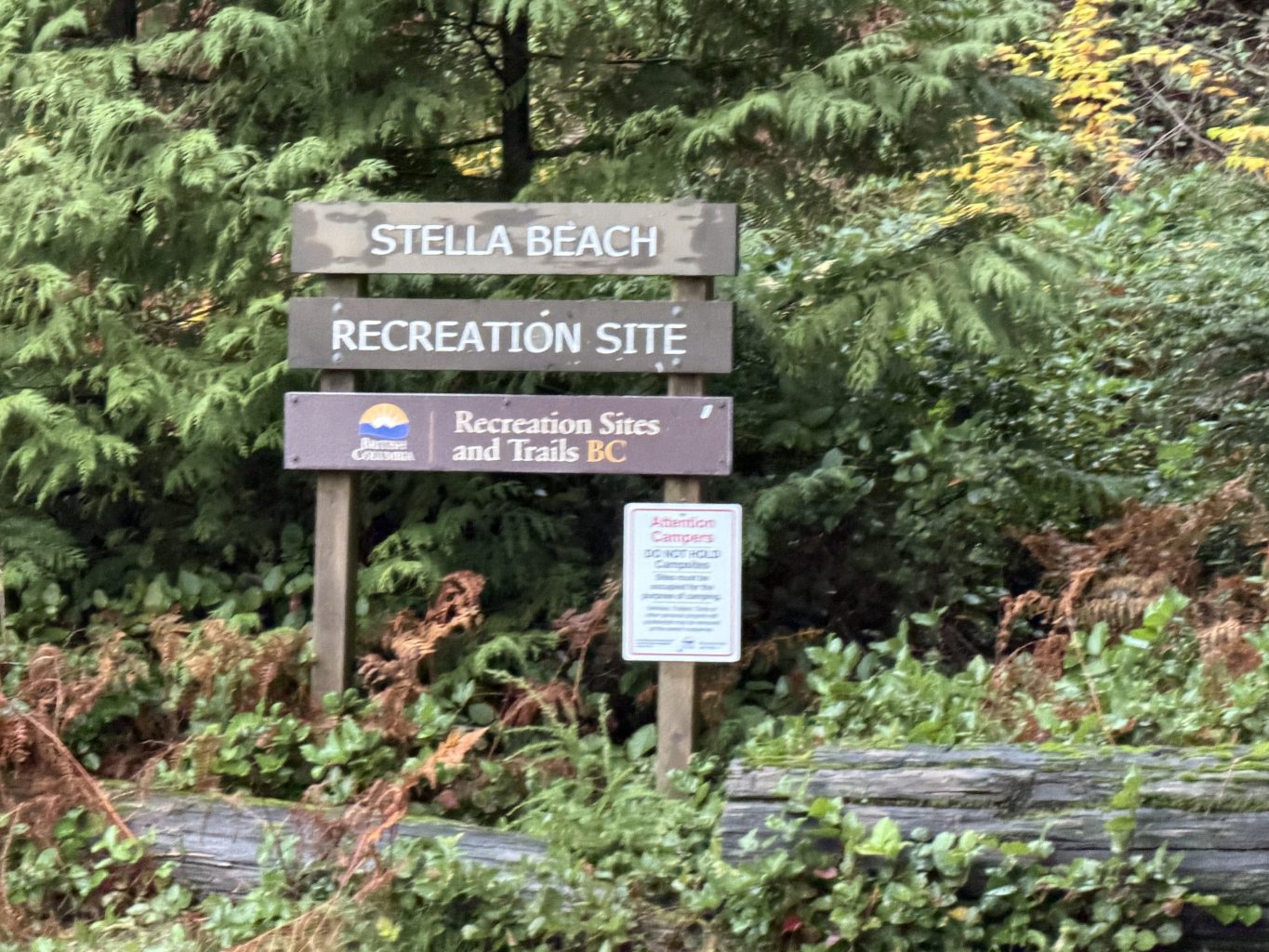
The two sites I had in mind were Elk Bay recreation site right on the shore of Johnstone Straight and Stella beach recreation site on Stella Lake. Both offer free campsites just a short drive north of Campbell River on Vancouver Island, BC.

Rustic Camping

Both campgrounds offer rustic camping with an outhouse and no hookups of any kind. if you’re going to check them out be sure to fill your freshwater tanks ahead of time. Dogs are welcome here, but be sure to use discretion with letting your fleet footed fur friend off leash because the area is home to deer, bears, wolves, cougars and a few other species of wildlife.

Jeep Wrangler at Stella Beach Recreation Site North of Campbell River, BC

Travel Directions

There are two ways to access these two free public campgrounds. One is by the Elk Bay Main, the first main logging road on the right after the Roberts Lake along Highway 19, 20 minutes north of Campbell River.

The Elk Bay main has some rough sections and one very steep downhill section. However, it would be easily accessible with a truck with a camper, a small to to mid size travel trailer, or a camper van. Smaller Class As and Class Cs should have good suspension and lots of ground clearance for the sections with a lot of pot holes. I won’t be driving my Class A on this route, because I love her too much, but everyone has their own comfort zone.

When you reach the bottom of the very steep section, turn right at the T intersection and follow the signs. Turn right to follow the logging road when you reach the log sort.

Free Campsite at Elk Bay Recreation Site
Elk Bay Recreation Campsite is Spectacular photo: Lynne Fedorick

Elk Bay Recreation Site

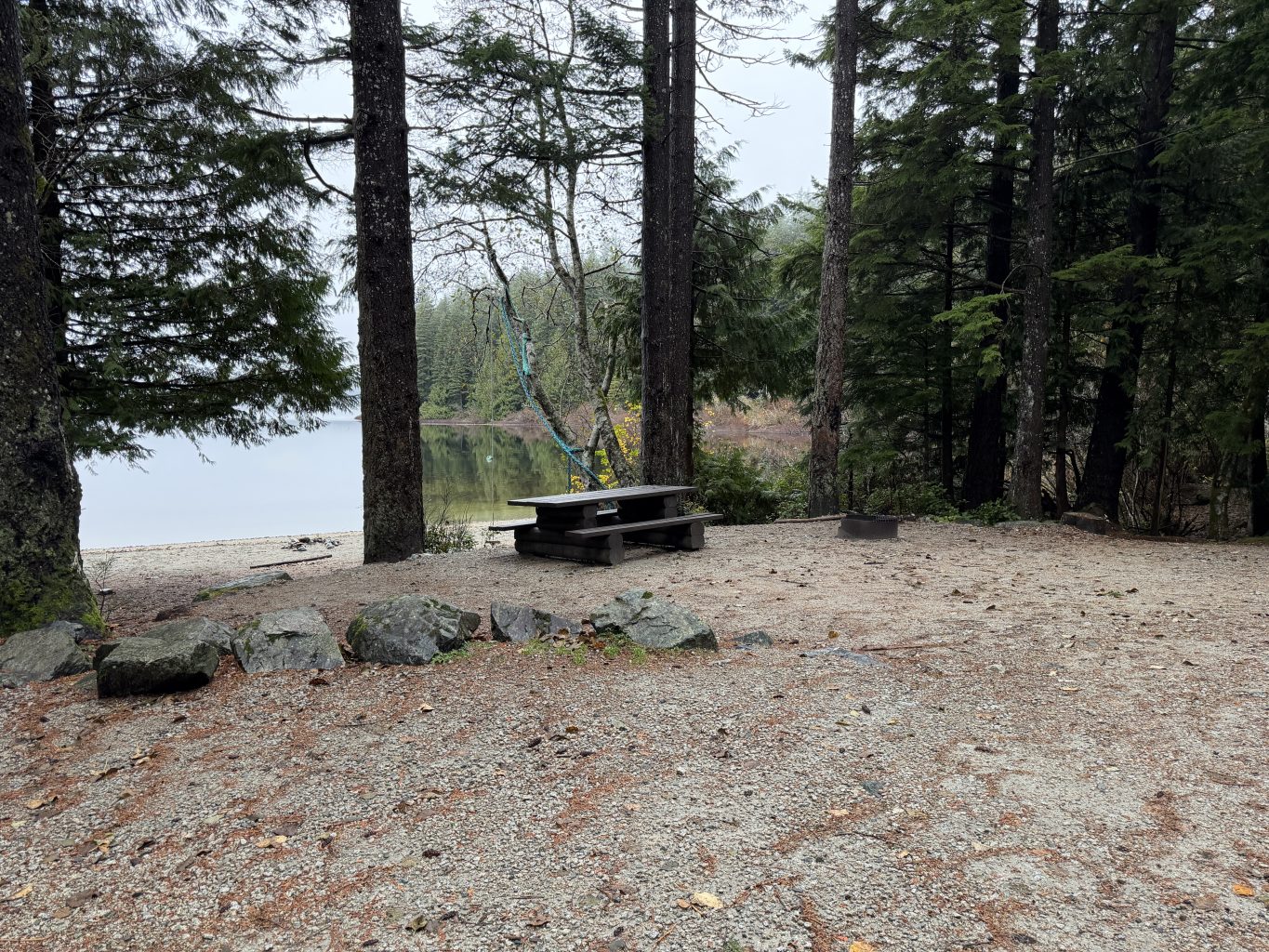
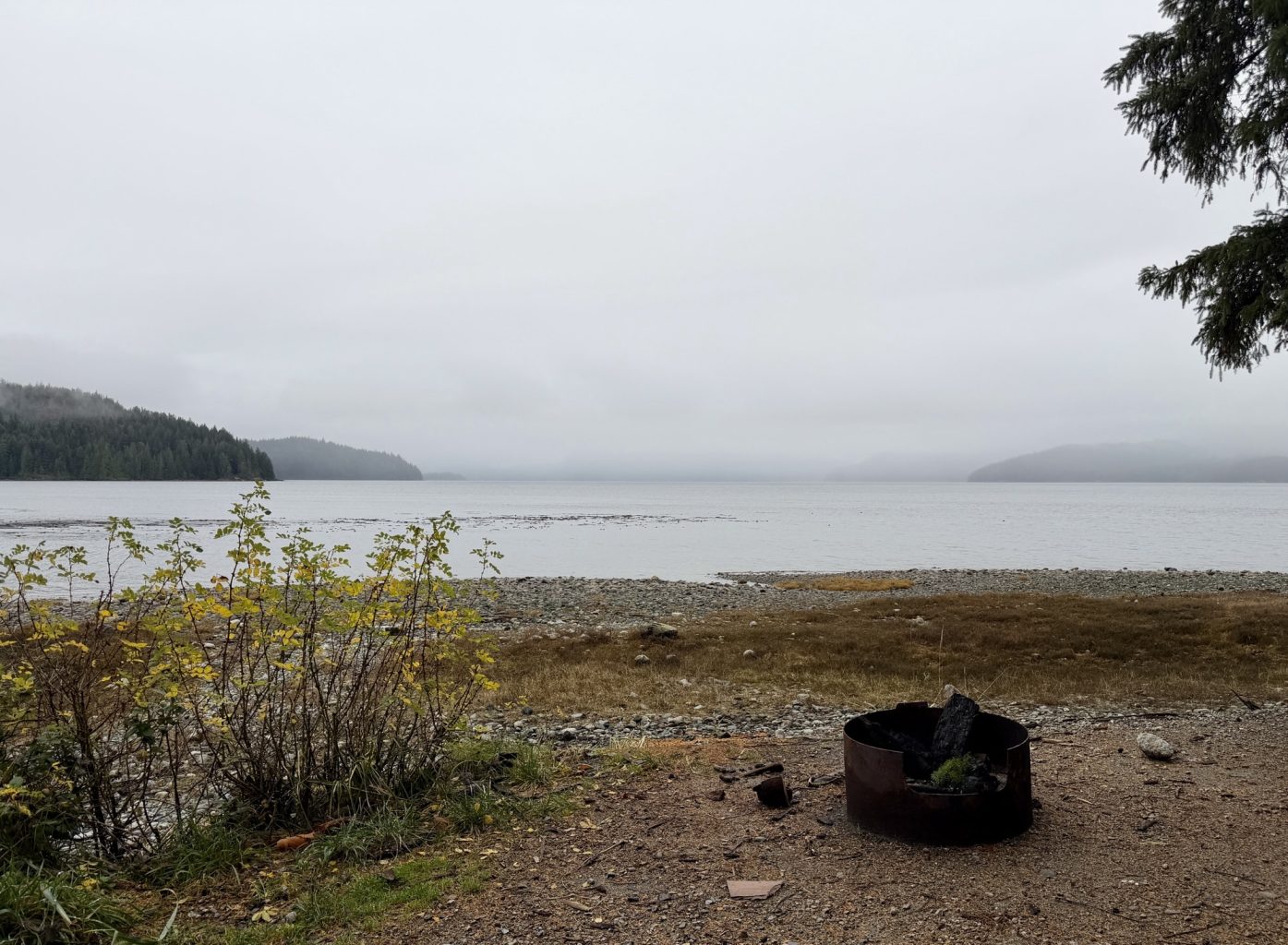
Love waking up to spectacular views? Look no further! Elk Bay recreation site has 8 trees sites with picnic tables and fire pits. Most of them are nestled along a beach that overlooks Johnstone Straight, and enjoy spectacular views. This would probably be a great spot to watch whales or launch a kayak. This trip is definitely worthwhile.

Rock Bay Main

Easier access would be via the Rock Bay Main. To access this logging road go about 5 minutes north of Roberts Lake on highway 19. Watch for the sign on the right side of the road. This road will take you to Stella Lake Main. Turn right on Stella Lake Main and follow it past Stella lake on the right hand side.

Stella Lake-Stella Beach Recreation Site

Stella lake boasts a gem of a recreation site with 10 free campsites along a sandy beach with crystal clear water. I want to bring my paddle board up and paddle around for a week. If you stopped here, I wouldn’t blame you. It’s good to have choices.

To get to Elk Bay, keep following the Stella Lake Main until it turns into Elk Bay Main. There’s good signage along the way.

Check out my Youtube video on the RV Adventure Guide Channel below for more.

youtube placeholder image

Final Thoughts About Free Camping On Vancouver Island

Recreation sites are entirely user maintained, so pack out what you pack in. For goodness sake, don’t leave toilet paper around for the next camper to recoil from.

These logging roads are work zones, especially from Monday to Friday from 7 AM to 5 PM. This means you should be prepared to encounter logging trucks along the way. Their drivers are almost always in a hurry and the forestry company they work for literally owns the road. Be careful out there.

Estimated reading time: 5 minutes

Like This? Share It!

Happy Halloween! Here’s The Scariest Halloween Story Ever

Happy Halloween! Here’s The Scariest Halloween Story Ever

Happy Halloween! This year, the scariest prospect of Halloween is being stuck with a whole bunch of leftover chocolate goodies. We have two adorable little kids here at Ellie’s farm who will get frightening quantities of sugar from me and 3 other neighbours who are indulging in the spirit of Halloween- if they show up!

For you, dear reader, I have another treat– a Halloween story that’s sure to send a shiver down your spine! Based on a terrifyingly true story about an encounter with a headless horseman straight from Hell, broadly known as the Dullahan.

The Dullahan

It isn’t often that rain doesn’t drench Halloween night on the west coast of Canada. But in 2009, Black Creek was blessed with both a full moon and a clear sky. After the last of my candies had been doled to small goblins and fairy princesses, I looked out my window at Orel Lake on the other side of the road. Tonight the surface of the lake glowed like freshly polished silver. “What a waste of a perfectly gorgeous night it would be to stay indoors” I thought.

A Beautiful Halloween Night For A Stroll


It was only 8:40. Not that cold out. A little stroll on the trail surrounding the lake was definitely in order. So I left the warm comfort of the couch in front of my fireplace, put on my warm red wool jacket and the blue toque that my Irish grandmother had knit for me. In the end, everyone agreed that Grandma might be a little confused. But she always knit her children and grandchildren the most beautiful sweaters and toques and even cozy slippers that hugged your feet as warm as blankets. 


As I stepped out the doorway my fingers fished beneath my jacket and checked the spot at the base of my throat for the gold cross that Grandma had given me. A sense of relief rippled beneath my conscious mind whenever I touched that cross. The cross represented my now departed grandmother and brought to mind the stories from the old country that she would bestow upon both me and my younger sister and with which she would beleaguer our two older teenage brothers.

 “Don’t stay out late tonight my darlings,” she would say every Halloween, just as we pirates, witches or faeries were about to disperse throughout the neighbourhood.

“For The Dullahan will be riding tonight on his stallion, as tall as the trees, and as black as the night. He carries a big whip made of the spine of a man in one hand to blind those who would stare at him. Don’t ever stare at the Dullahan. In the other, he carries a glowing green head that serves as a lantern to light his way. If ever his horse stops, you will die.

When he calls your name, you will die on the spot.” Then with a smile, she would add: “But don’t worry my loves, you’ll be safe as long as you are home by 8.”  Just the way she told that tale to us still made me shudder as I crossed the road to the trail. Come to think of it, we kids never stayed out too late on Halloween!


As I walked down the narrow part of the trail, I watched the bats flitting and diving over the mirror surface of the lake through the bushes. There was a poignant stillness in the air. A rustle now and again in the barren and dense salmonberry thicket on the right side of the trail let me know that life had not stopped for the night. Deer or raccoons probably. There were so many of both that fall. On the left side of the trail, the polished and silver lake glowed a tribute to the moon directly above it. It was so beautiful and tranquil. 

 But still, there was certainly something in the cool night air. And I couldn’t place the awful smell that wafted occasionally: Possibly the odours of burning hair, rotting flesh, and something else I couldn’t identify. Very gross. Very strange. 


I kept walking, for I was about halfway around the little lake by now. Soft and slow, walking hoof beats and the sound of snapping twigs seemed to be approaching through the bushes. My friend Nancy was the only person I knew who might be out riding at night on her big bay quarter horse, Quincy. Maybe she was lost. 

“Hey, Nancy!” I called, loudly, so she would hear me. There was no reply, but the hoof beats came a little quicker now. The stench now burned its way into my throat. I yelled my greeting again, and waved in the direction of the clopping hooves. Just in case Nancy had her I-pod plugged into her ears. She would have answered if she heard me.

Now the hooves were trotting, and a big dark form rose through the bushes silhouetted against the bare branches of big leaf maple trees. It was definitely a horse and rider. The pale light of the moon gave the illusion that the rider had no head. I called out again. No answer. Why were they coming through the bushes anyway? A chill ran through me. My eyes and my throat suddenly burned in reaction to the putrid odour. 

A Strange Sight Indeed


I walked faster. Whoever it was wasn’t answering. It was creepy. I began to run, coughing as I ran. The hoof beats sped up too, beating a galloping path on the trail. I looked over my shoulder and I heard the crack of hard steel when the shoes of the horse met rocks on the trail and saw that they lit small fires that burned and consumed the leaf litter until they were themselves consumed by autumn moisture. Some light glowed along the trail at arm’s length beside the rider. Soon, I couldn’t see much. A phosphorescent mist began to form and rise from the ground around me. I ran as fast as I could and still the mist came thicker and more putrid with every step. I wondered if my tears welled from my terror, or from this horrible mist.!

Fate Is Inescapable


It was then that fate and gravity pulled my right foot into a sink hole. I went down hard, ligaments of my right knee snapping audibly under my weight. I laid on the trail wiped tearful eyes and watched the black form of the rider approaching at full gallop. There was no illusion. The big black stallion definitely had a headless rider. That’s the image that was seared in my mind as I turned to drag myself down the trail. But I had only scraped myself down the trail a few feet when I felt hot breath on my back. My stomach retched at the smell. It was hopeless. I rolled over, back against the cold earth and I saw the most horrible sight:


Directly above me reared a fiendish horse with glowing hot coals where his eyes should have been. The creature’s ears had been hacked to the skull. And from their places there poured perpetual fountains of steaming, crimson blood. I suddenly felt very cold. As though I had been plunged into a deep freeze. In his left hand the rider carried a man’s rotten head by the mere scraps of long, black hair that remained on it. Maggots crawled in and out of holes in the head’s pocked and phosphorescent green flesh and periodically dropped to the ground. The mouth was bent upward in a permanent grin and two bloodshot eyes rolled wildly in their sockets.

Spellbound


I was as transfixed as a deer in the headlights of an oncoming train. No part of my body could move. I watched helplessly as the horseman’s right hand reached back and produced a long whip from beneath his long, black cape. Spellbound, I could do nothing but stare at the spectacle in front of me.  Could I even trust my own eyes?  The whip appeared to be made from a human spine!  I tried to move away again.  But it was no use. Not a single muscle would do my mind’s bidding.  “Carry Leigh, I have come for you!” That voice creaked and scraped through the air like fingernails on an old chalkboard.

The Gold Cross


In a single moment, here was Grandma’s gentle lilt. “Only the sight of gold can save you from the Dullahan, Darlin’. You throw that little cross now!” Suddenly I snapped out of my trance and my fingers felt for the little gold cross. I yanked on it until the fine chain that fastened it to my neck snapped. I threw it as hard as I could at the stallion. Just as suddenly as legend had said it would happen, Dullahan and horse spun a full circle. In the same instant, the Dullahan reached beneath his cloak,  produced a small ivory-coloured basin full of blood, and threw it at my chest. At once the stallion gave a terrible scream, leaped into the air, and disappeared in a puff of putrid green mist.   

youtube placeholder image

Estimated reading time: 8 minutes

Home » Blog

Like This? Share It!

Goat Yoga In Black Creek: Perfect Combination Of Fitness And Fun

Goat Yoga In Black Creek: Perfect Combination Of Fitness And Fun
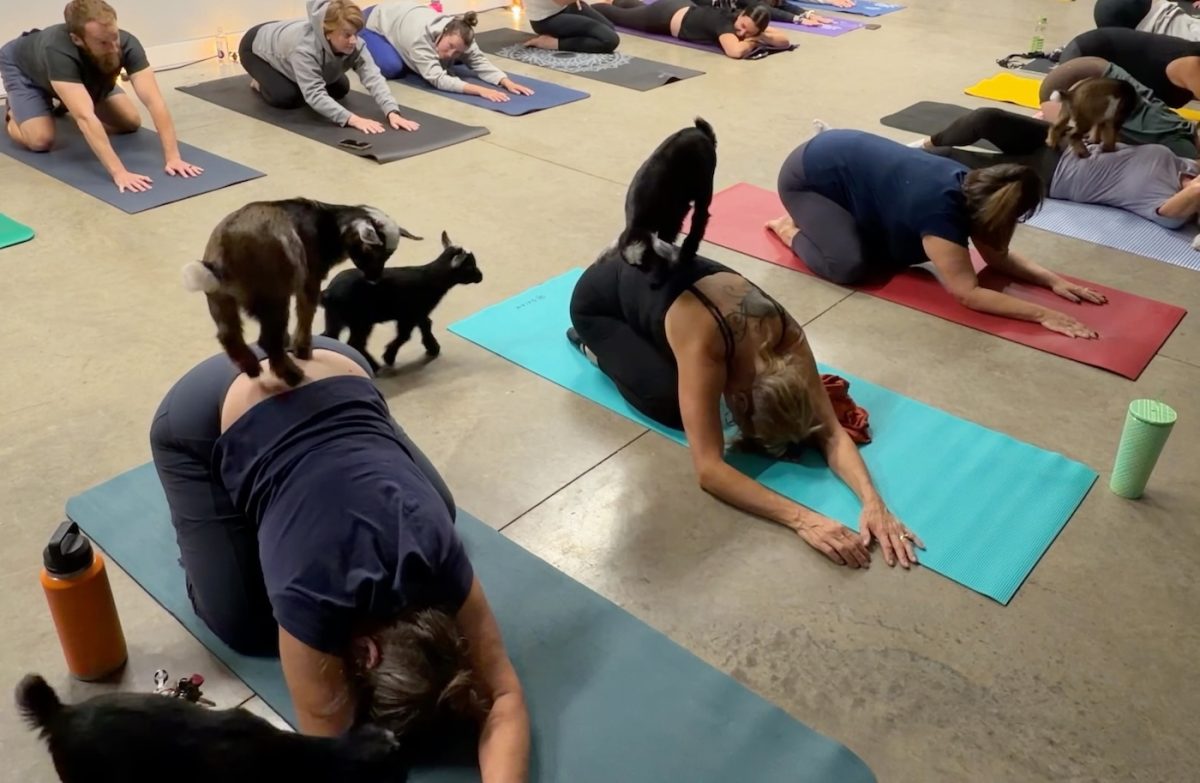
goat yoga class with baby goats and yoga with yoga mats
IMAGE: Lynne Fedorick

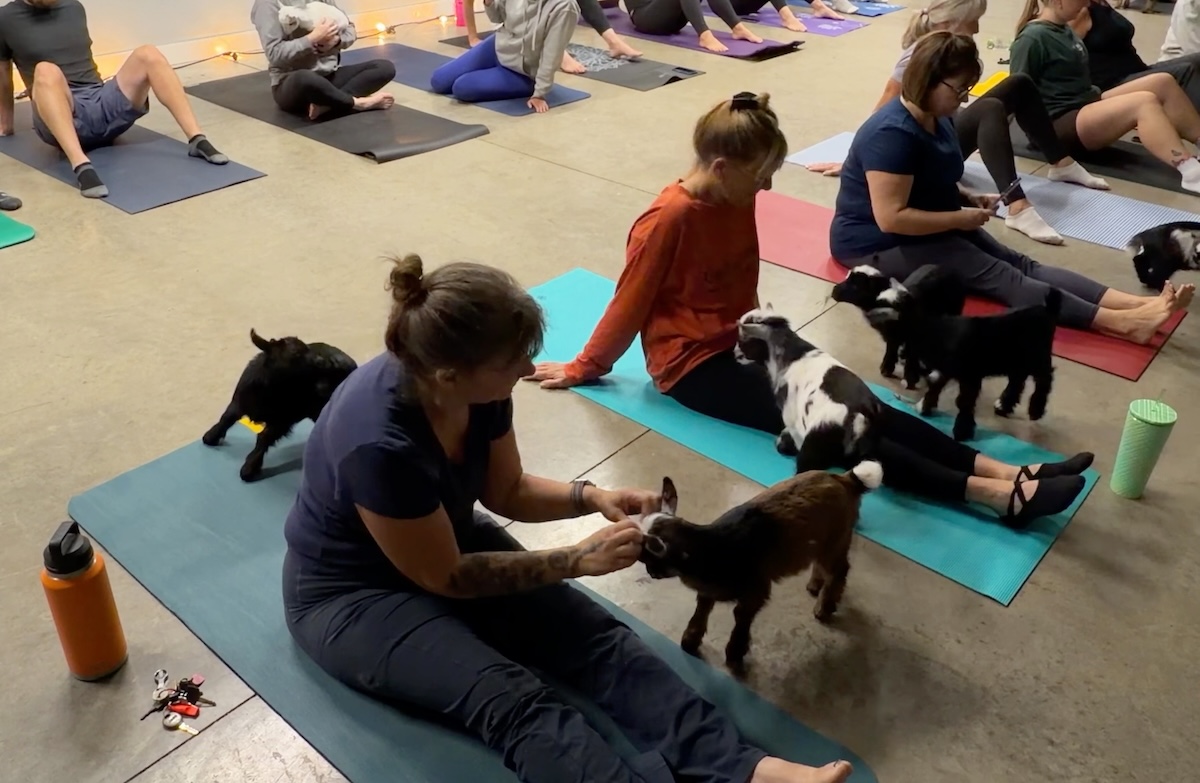
As the sun sets on another beautiful day in Comox Valley, 10 kids are getting ready to go to work. And by kids, I mean baby goats. The doors to the yoga studio open, and then in pour the yoga instructor’s gang of adorable assistants. These kids weren’t born yesterday, (well maybe 2 or 3 of them were) so they get to work immediately. That meant jumping into laps and onto backs as we students stretch (and laugh) through about 15 different yoga poses.

I’d heard about Black Creek’ famous baby goat yoga program for years. It is, after all, taught at the very same hall where I spent years teaching thousands of puppies and their humans. I think I ran the only course for circus dog tricks there too. But tonight, there is no room for fond reminiscences of puppies and their people. It was time to focus on my downward facing dog, pigeon pose and the happy baby pose. All while an army of tiny toddler caprines ran and hopped over the whole affair.

Anyone who had naively considered keeping a straight face during this class would know better by the end. Watching baby goats cavort around, over and under neighbouring students is not conducive to improving your balance in Vrksasana or any other pose. However, that’s definitely not the point of this exercise for most of us here.

As students, we’ve all come here as a ind of “mini-break”. It’s a little vacay from lives that are often filled to the brim with achieving perfection in one form or another. And The goats bring a levity into these classes that makes it so much fun that you forget how good the actual yoga is for your body. By the end of class, my muscles were telling me I’d I’d had a great workout. But I knew that now there would be only one type of yoga class for me- all the others would be missing baby goats.

Black Creek Baby Goat Yoga happens every Saturday night at 7 PM. It’s run by Barnyard Party Animals on Miracle Beach Drive in Black Creek. You can sign up for a class online via their Facebook Page.

Check out the featured video in this post to see a visual description of the class.

youtube placeholder image

Like This? Share It!

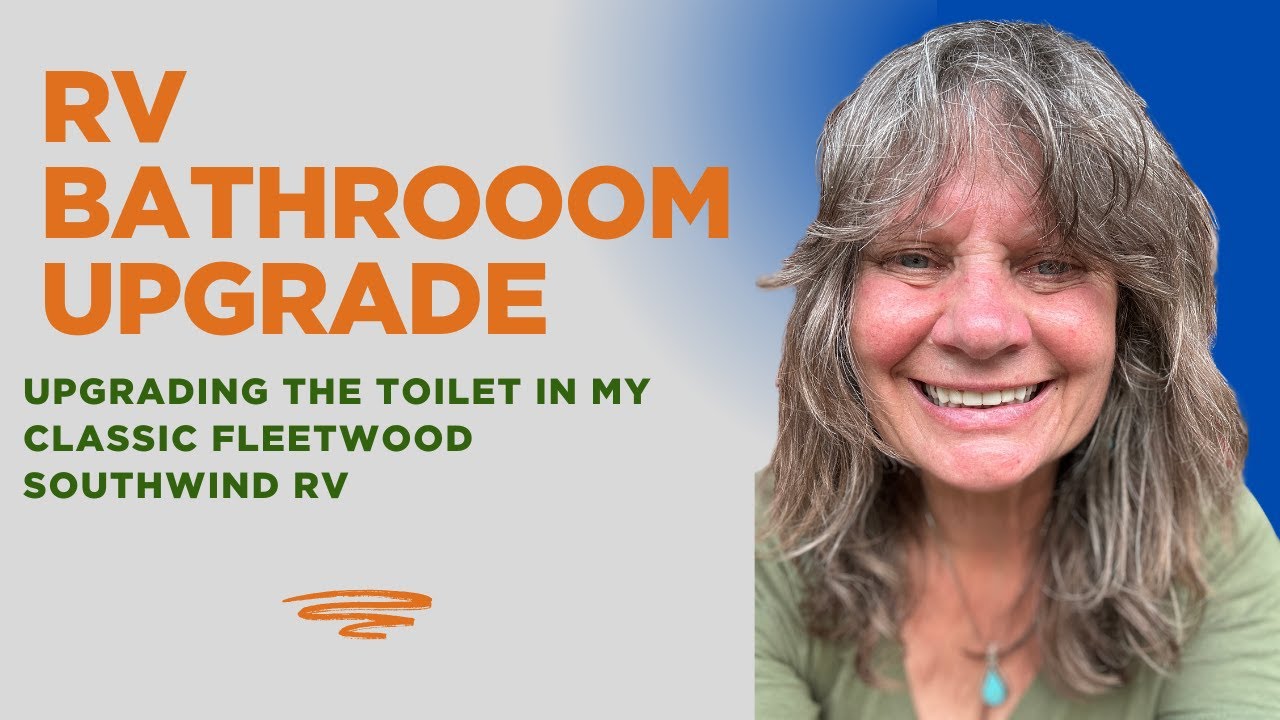
Replacing An RV Toilet? Read This First!

Replacing An RV Toilet? Read This First!
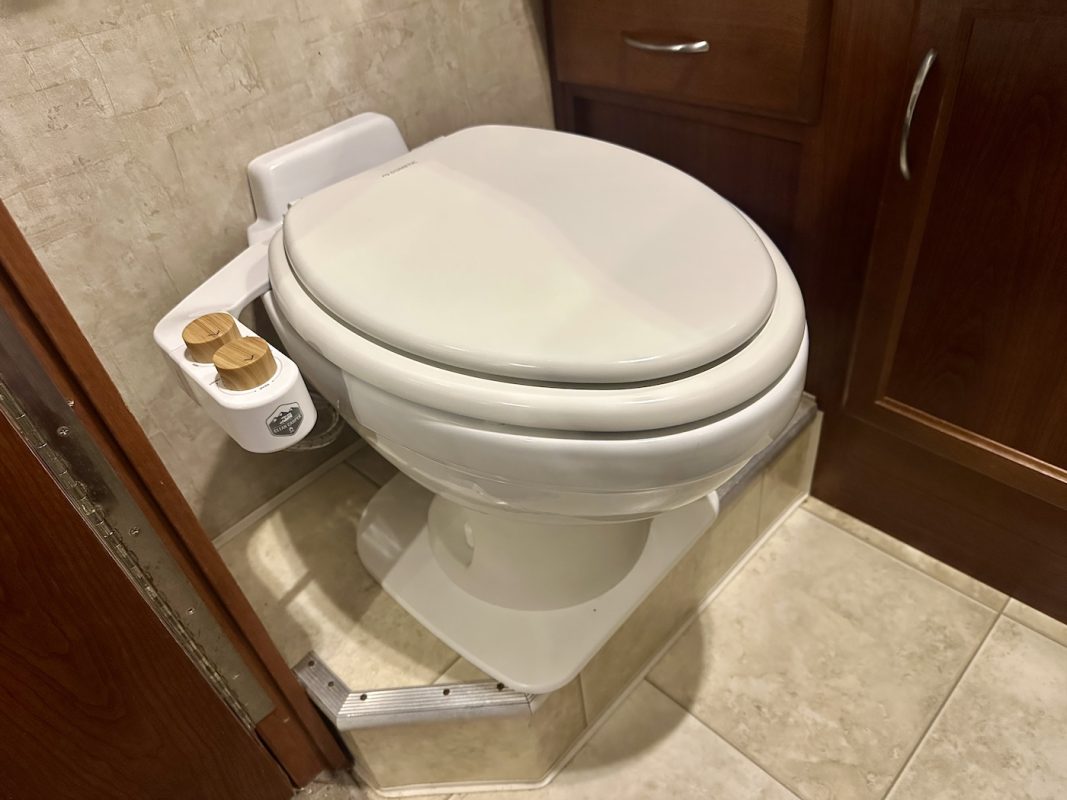
New RV toilet in RV
Replacing my RV toilet didn’t go as planned.

Upgrading My RV Toilet

RVs aren’t built to last forever. With that said, everything in any RV will eventually break, even when they’ve been properly maintained. This isn’t unlike a house, but with so many plastic (and OSB strand board) components, things just don’t last as long in an RV. WIth that said, when my RV toilet broke last week, I did what many other RVers do: I consulted the experts on Youtube. I perused videos of how to replace an RV toilet.

Youtube Videos are deceptive

The videos looked easy. Unbolt and pop the old RV toilet out. Then pop the new one in and bolt it down. I’ve replaced a few household toilets before so I didn’t even consider hiring an RV technician for this “easy” job. After all, what could possibly go wrong?

Measure Twice, Cut Once

I researched the part and found that I couldn’t get a direct replacement for the toilet, but the best fit would be a Dometic 321. I ordered the toilet from Hitchweb.com, and after being redirected a few times, it arrived 7 days later. I’ve always wanted to install a bidet, and now was a good time. So I ordered a Clean Camper RV Bidet. This RV specific bidet installs under the toilet seat. The connections are simple to do. However, in the limited space of an RV bathroom, doing the install on a new toilet would make everything easier. Then I’d just take the broken toilet out, an pop the new one in. Easy peasy. Or so I thought.

The World Of RV Repairs Is Not What It Seems

Before the install, I emptied and flushed the black tank. As an extra measure I added about a quarter cup of biodegradable dish soap down the old toilet and flushed the tank again. I turned the water supply off and put down a towel to catch any water drips before I disconnected the water intake hose. I Now it was time to put my Nalgene gloves on and unbolt the toilet from the floor.

Surprises In Store

I took took the outer housing off and found 4 bolts instead of the two bolt configuration on the Dometic toilet. Big deal, I thought. I can just move the mounting bolts to a different position on the toilet flange. Worst case, you just replace the flange. However, that’s not how it works in an RV at all. Especially in a 2008 Fleetwood Southwind.

There was no way to move the bolts around on the toilet flange, and the flange itself was about 2 feet long and curved around to be part of the plumbiing system. What to do? Now was a good time to call an RV technician.

For A Few Dollars More…

I called Courtenay RV Specialists and found out that they sold an adapter that would allow the 2 bolt toilet to be installed on the 4 bolt flange. After several trips back and forth, and about $200, I was able to get one that wound up working. Including the bidet, this RV toilet was now going to cost more than $1200. Yikes. But a toilet is necessary equipment, so I went ahead with the repair.

The toilet wound up installed. However, unlike the YouTube videos there were moments of sheer horror involved as things seemed to fly down the crapper. There’s no doubt that where there’s a will there’s a way when it comes to RV repairs, but if you’re replacing a toilet in an older RV, here are some key-takeaways from my experience.

youtube placeholder image

Key Takeaways For Replacing A RV Toilet

  1. Lower your expectations for this upgrade (haha)
  2. Measure your old toilet
  3. Find the correct replacement toilet
  4. Ceramic toilets are much heavier than plastic toilets. If you have a travel trailer, consider the additional weight before you upgrade your toilet.
  5. Don’t panic if the bolt pattern is different on your new toilet. You can get an adapter for your old toilet flange.
  6. Use tape to hold the toilet flange adapter in place while you drill pilot holes. Then remove the tape before installing it.

Well, it all worked out in the end, and I must say, I’m flushed with pride at the results.

Like This? Share It!

Saved By A Bike Rack!

There’s a lot to be said for downsizing and simplifying life. However, it was my extra e-bike that saved my RV (and Moonbeam the Jeep) from damage from an accident. We were rear-ended in an RV accident on our way home. Without getting into yawny details of how this occurred, let’s just say we had an accident. A young woman, who was new driver didn’t see the massive Class A RV and Jeep stopped at the intersection in front of her. The impact felt massive. By that I mean that it sent with a cabinet’s worth of precious jars of preserves flying through the RV, and this upended my ever-patient dogs.

I got out to get the other driver’s details and looked for damage on my vehicles, which were involved in the RV accident, including my e-bike which was still secure on its rack. In spite of the escalating pain in my neck, nothing else looked damaged.

But the front of the car that hit me was damaged pretty bad due to the RV accident. I got her details, took some ibuprofen to prevent further inflammation of my neck. And I continued on to get in line for the ferry.

It wasn’t until later that I realized it was only the bike rack that prevented a lot of damage. And I wouldn’t have had it on my Jeep if I didn’t have the extra e-bike that it was carrying. Anyway, ICBC insurance will presumably cover any damages in any case due to the RV accident. So maybe sometimes too much stuff is good to have!

Like This? Share It!

Bluetti AC70: The Ultimate Portable Power Station for Boondocking

Bluetti AC70: The Ultimate Portable Power Station for Boondocking
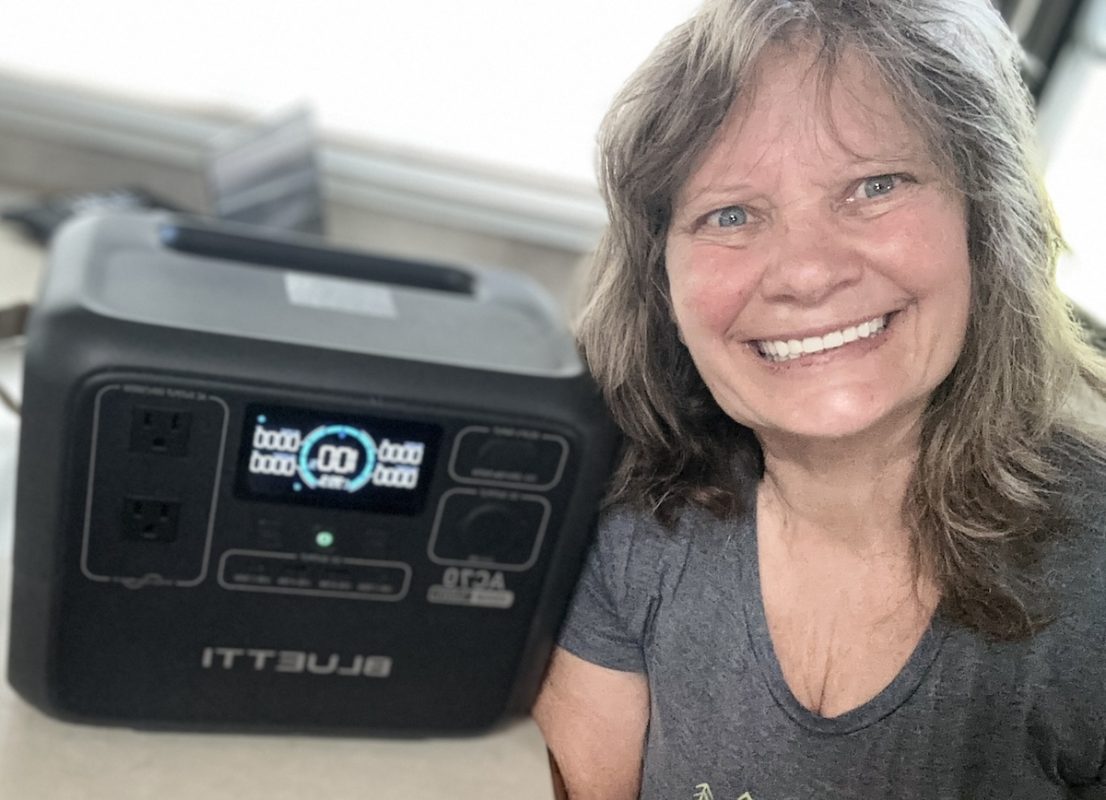
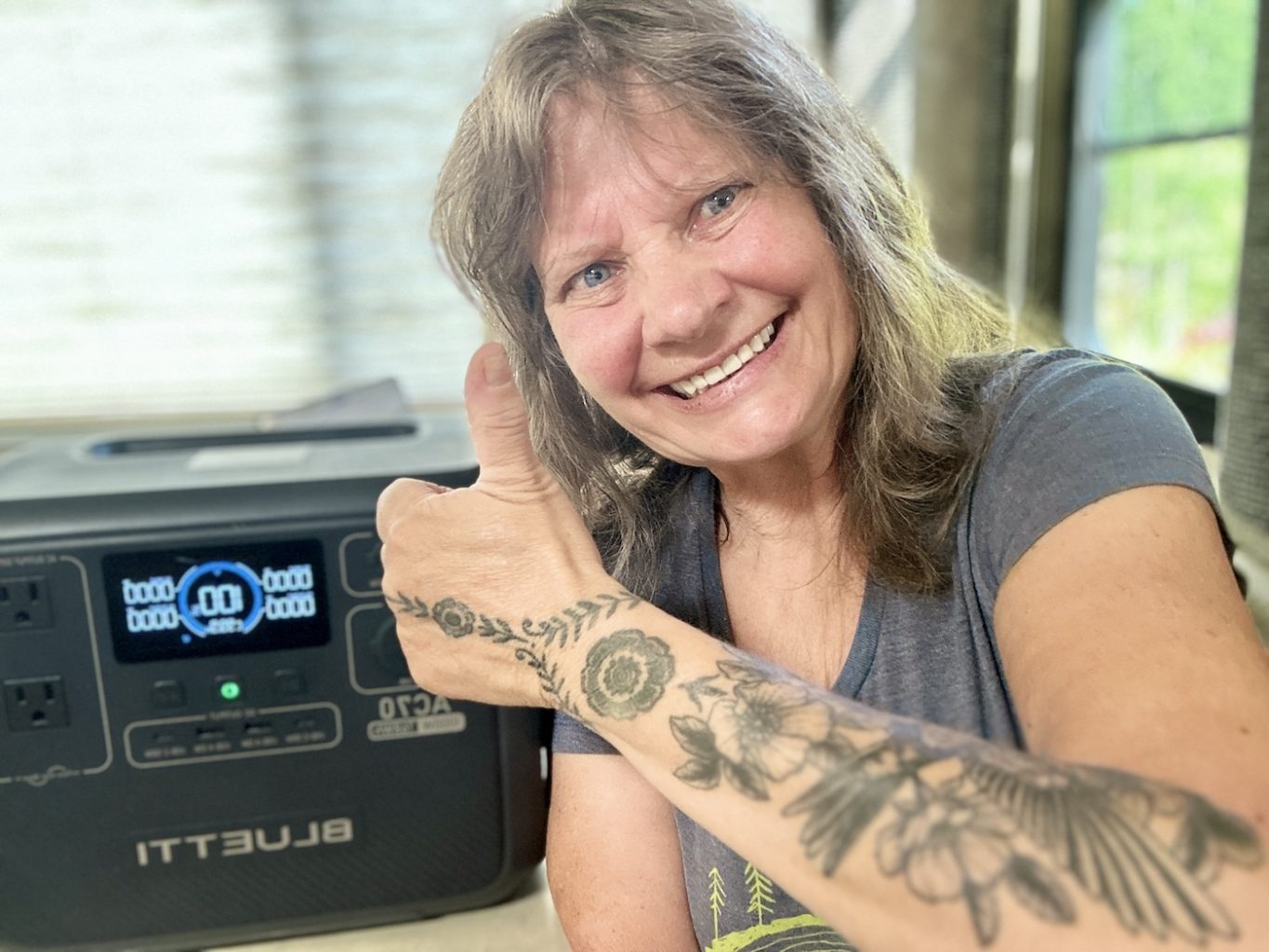
A smiling person gives a thumbs-up next to a Bluetti AC70 Portable Power Station, showcasing its digital display.
The author showcases the Bluetti AC70 Portable Power Station, highlighting its convenience for boondocking enthusiasts.

Finding a reliable source of power has always been a challenge when we’re boondocking. For the uninitiated, boondocking means camping off grid, with absolutely no hookups. This includes not being connected to shore power, water, or sewer. I love boondocking because it’s usually free (although boondocking at a provincial or state campground isn’t) . But before I digress too far: My boondocking life changed when I got a portable power station.

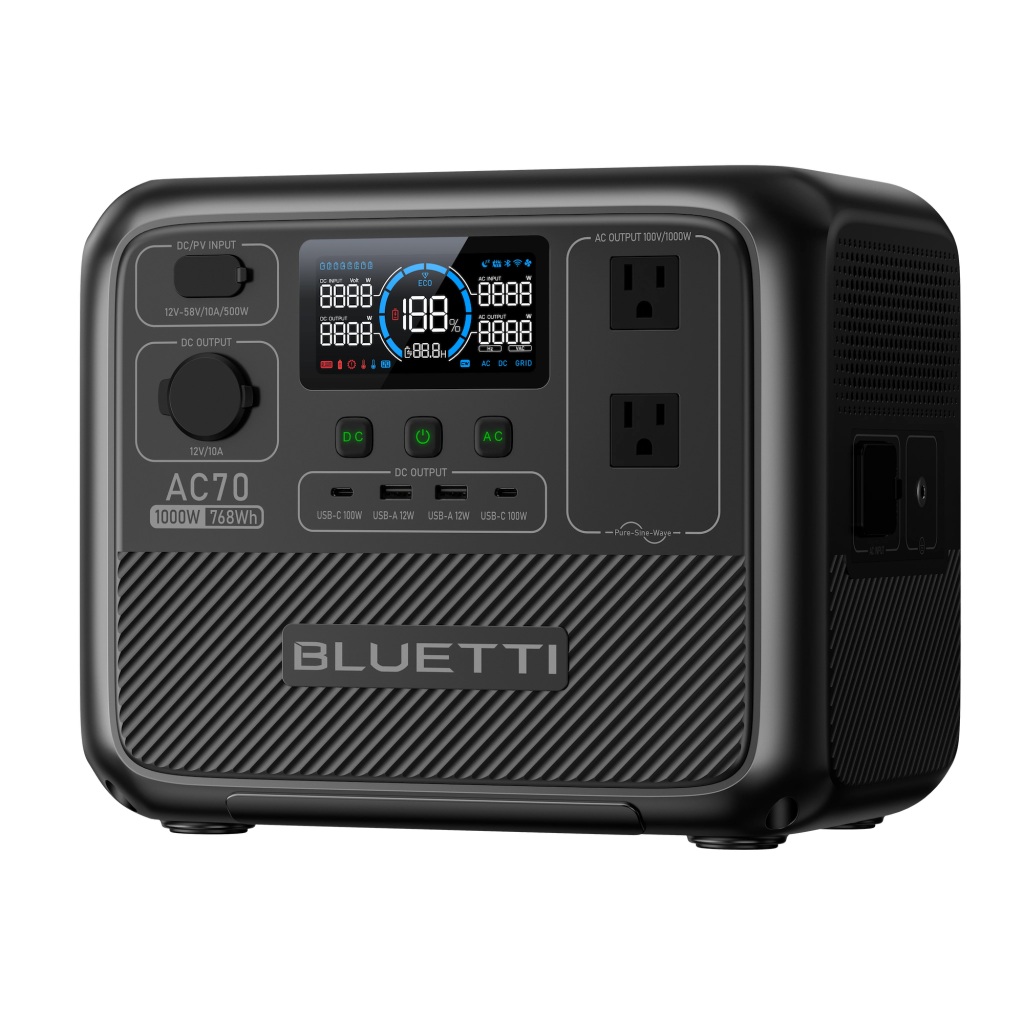
Bluetti AC70 Portable Power Station with a digital display and multiple charging ports.
The Bluetti AC70 Portable Power Station, a compact and powerful solution for RV boondocking.

Now, my RV is equipped with cigarette lighter style twelve volt connections throughout, so I never felt the need to look into getting a portable power station. My system of plugging chargers for electronics was, for the most part working, although I couldn’t do things like run small appliances without running Daisy Mae’s built in Onan generator. However, one day, Bluetti reached out and asked me to try out the Bluetti AC70. This little power station has been a game changer for boondocking in my RV.

Small But Mighty

This little power station is small and compact enough to store anywhere in most cabinets in the RV, and lightweight enough to be easily portable. But small size doesn’t mean it low power. AC70 offers 1000 Watts and 768Watt hours of power.

The AC70 charges via120V in under an hour, but I can also charge it through a 12 Volt plug while I’m driving. I could also use a solar panel to power it, but I haven’t done that yet (more on that later). It has 2 AC outlets, 2 USB and 2 USB-C charging ports, and a 12 Volt, cigarette lighter style charging port.

Versatile Power Solution

This gives it a lot of versatility to run almost small appliances and charge and electronic devices from laptops to phones. By the way, I’ve found most of my electronics charge a lot faster through the Bluetti power station than through an AC wall outlet. Here’s some of the things I’ve used the Bluetti to run or charge:

There are larger power stations out there, but the AC70 is the perfect size for RV life, overlanding, or car camping. It’s small size and big power make it a great addition for a grab-and-go emergency kit too.

Features:

  • 1000 Watts
  • 2000 Watts lifting power
  • 768 Watt hours
  • 45 minute charging time on AC
  • 2 hours charging time on 500 W solar
  • LiFePO4 (relatively environmentally friendly)
  • 3000 charging cycles
  • Bluetti App lets you control charging from a phone
  • High viz LED display that tells you everything you need to know
  • 5 year warranty
  • Accessories: AC Charging Cable, Car Charging Cable, Solar Charging Cable

Specifications

  • Dimensions: 2.36“ x8.18“ x10.07“ / 314mm x208mm x255.8mm
  • Weight: About 22.4 lbs / 10.2kg
  • Charging temperature: 32°F – 104°F / 0°C – 40°C
  • Storage temperature: -4°F~104°F / -20°C – 40°C
  • Safety certifications: UL Standard, CEC, DOE, FCC, CA Prop 65

This Versatile Portable Power Station Lets You Have It All When You’re Boondocking

The Bluetti AC70 Portable Power Station is the power solution I didn’t know I needed. It lets me run or charge every electrical appliance I need without ever plugging into shore power. That’s pretty neat and it’s revolutionizing the way I RV.

Find Out Everything You Need To Know About Choosing A Power Station

If you’re shopping for a portable power station, you’ll want to click here to check out my best tips getting the right one for your particular needs in RV Life.

Click here to check out essential camping gear reviews

Like This? Share It!

Camping Gear Review: EcoFlow Wave 3 Portable Air Conditioner

Camping Gear Review: EcoFlow Wave 3 Portable Air Conditioner

EcoFlow Wave 3 in RV

EcoFlow Wave 3: Is This Port Air Conditioner A Good Fit For RV Life?

I love doing camping gear reviews. That said, when Ecoflow reached out to me to review the Ecoflow Wave 3 Portable Air Conditioner, I got excited. As you might already know, Ecoflow has built its brand around eco-friendly energy solutions like portable power banks. All of it’s products are aimed at providing.  Driving thousands of miles throughout Canada and the US made me wish for just one thing.  And that was effective air conditioning in my large Class A gasser motorhome when we’re travelling.

I Needed Effective Portable Air Conditioner In My RV

If you’ve travelled in a gas powered Class A motorhome, you’ll know what an issue this can be on hot days because you can’t run the overhead air conditioners while driving.  Yes, there’s a dash AC and two over dash fans that help circulate the air, but in high temperatures, it doesn’t really provide relief from the heat. When Ecoflow reached out to me to try out their latest creation, the Ecoflow Wave 3 Portable Air Conditioner, I decided to put it through the paces of my daily RV life. 

Would The EcoFlow Wave 3 Work On A Road Trip?

 However, I was eager to try it out in real RV life– on the road. I already knew the company had built a brand around providing eco-friendly energy solutions such as portable power banks.  All Ecoflow products are aimed at providing energy efficient, environmentally conscious solutions to human problems.  Like traveling in an RV in summer temperatures.  I was eager to try out the Ecoflow Wave 3 portable air conditioner on my next road trip.  I’m glad I did, because this is a product I can highly recommend to fellow RVers and anyone else who needs to beat the heat whether  they’re camping or travelling. 

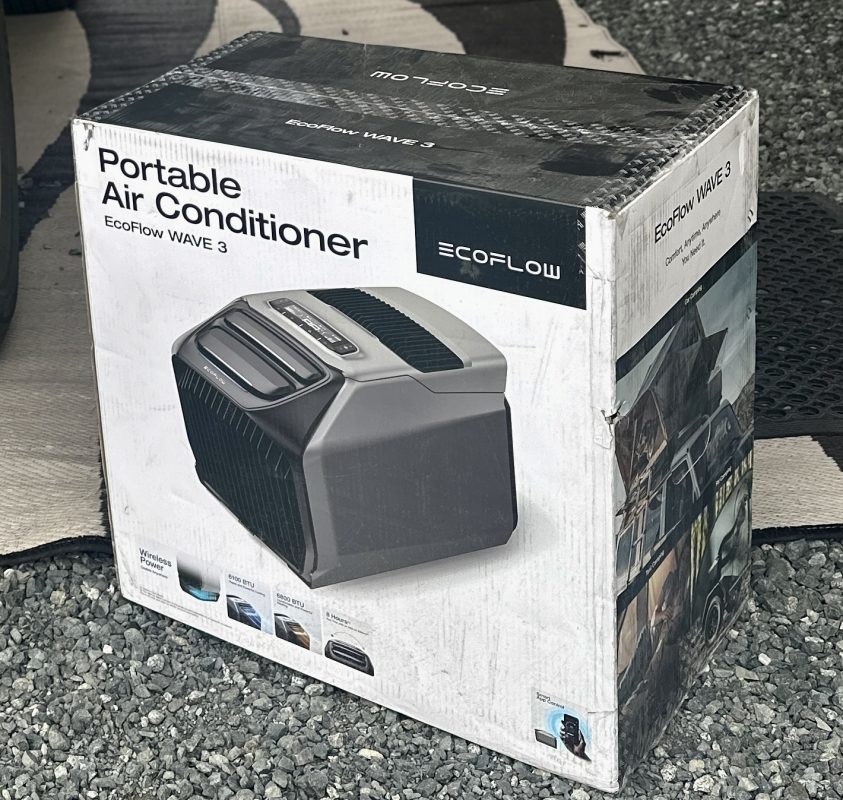
EcoFlow Wave 3 in Box outside an RV

What’s In The Box?

Ecoflow includes everything you need to set the Wave 3 up for mobile use. My Ecoflow Wave 3 came with a separate battery pack  Here’s what was included in the box:

Ecoflow Wave 3 Air Conditioner

  • Ecoflow Wave 3
  • 3 Ecoflow duct adapters
  • 2 insulated exhaust ducts
  • Silicone drain pipe
  • Cardboard duct template
  • Winder for storing drain pipe
  • Charging cable
  • Instruction manual

Ecoflow Wave 3 Add On Battery:

  • Ecoflow Wave 3 Add on Battery
  • 12 Volt Charging cable
  • Add-on battery cable
  • Instruction manual

Features

  • 4 modes:  Cooling, heating, dehumidifier and fan 
  • 6100 BTU cooling capacity 
  • 6800 BTU heating capacity 
  • 3 battery charging modes: 120V AC, 12 V DC, and solar  
  • Completely charges in an hour while driving or in 75 minutes via solar
  • 2-8 hours run time, depending on settings
  • 120-180sf cooling/heating area
  • External battery has 4000 recharging cycles at 80% capacity
  • Pet Care setting sends an alert to your smartphone when the temperature is above or below a present level.
  • Smart App allows control from any phone via the EcoFlow Bluetooth app.
  • Replaceable external battery extends the lifetime of the Ecoflow Wave 3 
  • Wireless and portable
  • IP4 waterproof rating means it can withstand splashes and low pressure water
  • External battery is rated  IP65, to withstand submersion in water
  • Powerful fan quickly heats or cools room temperature in less than 15 minutes
  • Insulated intake and exhaust ducts maximize efficiency
  • Very easy set up
  • Can be operated with or without ducting
  • Dehumidifier quickly reduces humidity and  moisture in the RV
  • 2 year warranty

Specifications:

  • Weight (without battery): 33.7 lbs
  • Weight including battery: 55.1 lbs
  • DImensions: 20.4×11.7×13.2 in (519×297×336 mm)
  • Cooling Capacity: 6100BTU (1800W)
  • Heating Capacity: 6800BTU (2000W)
  • Add On Battery Input: 700W Max
  • Noise level: 44-58 Db
  • Run Time with add-on battery: 2-8 hrs
  • Operating temperature: 41º-122ºF (5º-55ºC)
  • Price At Ecoflow.com: $1,049.00CAD

Hits and Misses

Hits

  • Completely wireless and portable: Can be used anywhere, including in an RV during travel or in a tent
  • Works well for cooling and heating
  • Battery has a USB port that’s handy for charging electronic devices
  • Well made and rugged from quality components
  • Insulated intake and exhaust ducts help to increase efficiency
  • Provides much needed relief from hot temperatures in the RV during travel even without using ducting
  • Can be charged 3 ways: 120 V AC, 12 V plug in, or via a solar panel

Misses

  • 51 lbs will be heavy for some people to move around
  • Bulky- it definitely takes up space in the RV,  

My Review Of The EcoFlow Wave 3

I tried the Ecoflow Wave 3 out in several scenarios, but I was especially interested in using it while I travelled in my 33’ Fleetwood Southwind motorhome. I didn’t have the right adapter to charge via my Go Power solar panel, but I loved that this is a charging option for the Wave 3. As it was, being able to charge the Wave 3 through any 120 V AC outlet or DC outlet was very convenient.

Thanks For The Ducting Template

Ecoflow includes a template to make a foamboard insert for a window, so I made one and used it for ducting Wave 3 both to the outside when it was in the stationary RV as well as into the tent, when I set it up outside the tent.  Here’s how I tested it and what my thoughts were:  

Stationary RV As A Heater   8.25/10 

  •            Noise level: 10/10
  •            Temperature change/hour:: 7/10
  •            Convenience:  8/10
  •            Efficiency:  8/10

This year, Spring featured cool temperatures that lasted well into June. It made a perfect opportunity to try the Ecoflow Wave 3 out as a heater. I was kind of excited to have a way to use the phone app to   warm up the RV bedroom before getting out of bed.  Because the windows in my RV are different sizes, I decided to  cut my foamboard window insert to fit the largest window I’d be ducting out of, instead of having an individual insert for each window.  

 This worked, but of course, I couldn’t fit it tight in the window, so cold air came in. I placed the ACin the set up the ducting.  My bedroom isn’t huge, so the Ecoflow Wave 3 took up about 1/6 of the limited floor space. It definitely wouldn’t live there, because there just wasn’t enough space in the bedroom. It would be in the way when the bedroom slide-out came in. However,  it was good enough for testing how well the Wave 3 would heat the bedroom.  I was able to test it out for warming up the bedroom in my RV. Here’s how it went:

Why I loved the phone App

I woke up at 5:30 and used the app on my phone to turn on the Wave 3, and set my alarm for 6:30.  The Wave 3 was barely audible as it worked to warm up the bedroom on battery power.  After an hour, the temperature in the bedroom was raised from 13ºC to 20ºC , and the battery was about 60 percent depleted. The medium sized saucepan I improvised to catch water from the drain pipe had about 2 inches of water in it. 

It’s much easier to be ready to take on the world when it’s 20 degrees than when it’s a chilly 13 degrees, So, I considered this a win. I felt that the Ecoflow Wave 3 would be especially useful for heating a smaller space like a van, truck camper, or travel trailer for up to 2 hours without an additional power source.  

Camping Gear Review: Using The Ecoflow As An Air Conditioner In A Tent 

Overall Review Score For Camping: 7.75/10

In the summer,I use an 8 x 8 pop up shelter as both an outdoor office space and a sheltered outdoor living room. On hot days, this big space heats up like an oven. That said, when the temperatures finally started to climb to typical summer levels at the end of June, I was excited to review the Ecoflow Wave 3 as my office air conditioner. 

Each of the 6 sides of my little outdoor office tent has a flap that I normally keep rolled up to help circulate air flow.  However, I wanted to retain as much cooled air in the tent as possible, so I closed all of the window flaps. Next, I set up the Ecoflow Wave 3 outside the tent and set up the two insulated ducts to blow cold air into the tent.  Would it work? Here’s what happened:

Timed It For An Hour

I set a timer for an hour.  At the beginning of the hour, the temperature inside the tent was a way too balmy 31º C.  It was great being able to have the Air conditioner outside the tent so it wasn’t taking up valuable floorspace inside.  However, the temperature change after an hour of testing was very minimal.  The temperature only dropped to 28ºC.  It was somehow far  more tolerable than 31ºC, but, 28º C is still too hot for me.  After an hour, the battery charge dropped by 60 percent.  

I felt that this could be useful for a 3 person or smaller tent set up in an area where the sun wasn’t directly hitting it.  

Camping Air Conditioner Rating Categories

Each category is rated between 1 and 10, with 1 being the lowest and 10 being beyond expectations.

  •   Noise Level: (1 is the noisiest and 10 is the quietest) 10/10
  •  Temperature change/hour:: 6/10
  •   Convenience:  7/10
  •   Efficiency:  8/10

Review Of The Wave 3 Air Conditioner Without Ducting

Overall Score: 9.2/10

  • Noise level: 10/10
  • Temperature change/hour:: 9/10    
  • Convenience:  9/10
  •  Efficiency:  9/10

Review Of The Ecoflow Wave 3 Air Conditioner While For Traveling

I had a trip to Alberta planned for July. WIth that said, I was excited to try the Ecoflow Wave 3 as an AC in my Class A RV. Daisy Mae (as she’s affectionately known) boasts a massive windshield that offers an amazing view of the road. However, a big piece of glass at the front of the RV heats up the interior like a magnifying glass.

I decided to opt for trying it out on its fan setting which would allow me to run it with minimal power consumption. Given the results from my previous testing, I wasn’t expecting much relief from the 30º outside temperatures. 

How I Tested The Wave 3 Air Conditioner

 I nestled the Wave 3 into a convenient spot  behind the front passenger seat of the RV.  I set it to it’s fan setting and set off.  Ordinarily, on a day like this, we’d be roasting in the RV and would be forced to pull over to cool off.  So I was very pleasantly surprised at how well the Ecoflow cooled the air inside the front of the RV

Effective Cooling In A Large RV

The temperature was so comfortable that I made it almost to Alberta before I knew it. When I arrived at my overnight stop at Craiglatchie, just before Revelstoke, BC, I’d been driving for 10 hours, and the Wave 3 still had plenty of juice left. Unfortunately, I didn’t have a DC power outlet close enough to charge it, or I might have kept it powered as I was driving.   

Overall Impressions Of The EcoFlow Wave 3 Air Conditioner

For me, the Wave 3 earned its keep by keeping the RV tolerably cool while I traversed BC.  It can also raise cold temperatures to a comfortable level too, although both the air conditioner and the heater are designed for smaller spaces. 

That said, it’s well worth noting that this unit is definitely too heavy and bulky to be considered effortlessly portable. This is something to keep in mind if you have mobility challenges.

Like This? Share It!

Healthy Plant Based Tabbouleh Salad Recipe

Healthy Plant Based Tabbouleh Salad Recipe
Bowl of tabbouleh salad
Image: Freestock

RV road trips don’t have to mean abandoning healthy eating habits. This delicious nutrient dense Tabbouleh salad is easy to take on the road. This plant based recipe incorporates bulgur and chickpeas with staples like tomatoes, cucumbers, parsley and mint.

Bulgur is not just tasty. It’s also a super grain, a powerhouse of nutrients, including 4 grams of protein per cooked 1/2 cup serving. Chickpeas and parsley both provide an additional nutrient boost. And the dressing here is simple and light. It creates a beautiful balance of flavours.

You’ll want to take this recipe everywhere you go. It’s delicious on its own. However, it also wraps up in a pita or tortilla with a little lettuce for delicious, nutritious road trip snacking.

Bowl of tabbouleh salad

Bohemian Style Tabbouleh Salad

Delicious Bulgur based, vegan tabbouleh that's packed with protein rich ingredients
Prep Time 20 minutes
Servings: 4
Course: dinner, lunch, Main Course, Salad, Side Dish
Cuisine: Mediterranean, middle eastern

Ingredients
  

  • 1 cup red bulgur
  • 1 cup boiling water
  • 3 cups finely chopped parsley substitute 1/2 cup dried if you don't have fresh
  • 1/4 cup finely chopped mint
  • 1/4 cup finely minced green onions
  • 2-3 medium tomatoes, diced
  • 1 medium english cucumber finely chopped
  • 1 1/2 cup cooked or low sodium canned chick peas
  • 1/2 tsp salt
  • 1/4 tsp ground cumin
  • 1/4 tsp black pepper
  • 3 tbsp lemon juice about one lemon's worth
  • 3 tbsp extra virgin olive oil

Method
 

  1. In a heatproof bowl, add boiling water to bulgur, stir and allow to soak for 1 hour.
  2. Drain well and squeeze out any excess moisture.
  3. In a big bowl, combine drained bulgar, parsley, mint, green onions, tomatoes, chickpeas, cucumbers, Salt, ground cumin, black pepper, lemon juice, and olive oil. Mix together thoroughly
  4. Refrigerate for at least an hour, preferably overnigh to allow the flavours to truly meld and develop.
Like This? Share It!