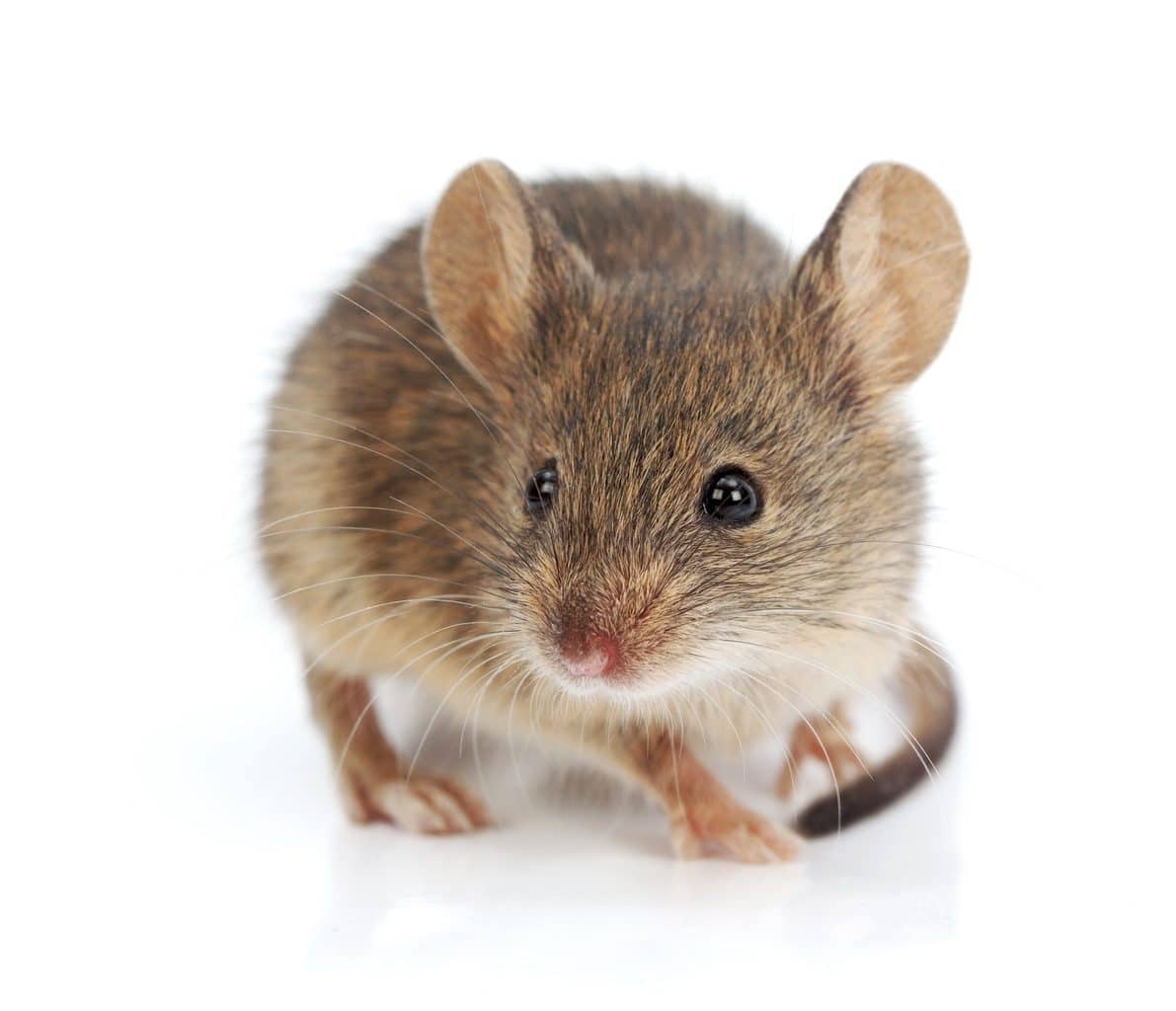
Fall Is Here, And So Are The Rodents:
Rodents are tyipcally a fall RV problem. However, last Spring, my two way water heater stopped working entirely. For the un-initiated, a two way water heater uses either electrical or propane, depending on what you happen to need. When I’m hooked up to shore power, I run it on electricity. So when it broke, I put it down to a burned out element on the water heater. An easy fix- swap out the element for a new one, and Bob is your proverbial uncle.
However, Fleetwood makes the water heater element particularly difficult to get to- it’s hidden behind the water heater and then further concealed behind two layers of access panels. It was enough to keep me from following through on my attempt to replace it. It was time to call an expert- I’m lucky to have a good RV technician nearby when I’m in Comox.


In the meantime, I was able to use propane to heat water for showers etc. Until that stopped working too, just as I got to my Muchalat Lake camp hosting job.. Now, The propane components on an RV water heater are simple. So I ordered and replaced most of them myself. It should have worked, but it didn’t. I had no hot water all summer- but, hey- I was camping so bathing in a beautiful mountain lake was where it was at anyway.
The Mystery Ended With The End Of Summer
Summer ended and I was finally able to get the RV in to the shop. Pro RV Tech, Byron replaced the faulty element in the heater and was surprised when it didn’t fire up right away. Upon further investigation, he found a rat had made a project of chewing up the wires going into the water heater- I’m guessing probably last spring when the trouble started. I was surprised the wires weren’t protected by conduit. How much would it cost and RV manufacturer (Fleetwood in this case) to install conduit as a preventative measure? Anyway, I’m now soaking up the cost having the water heater pulled out to assess and repair the chewed wires.
For me, this is a lesson in what can be done to prevent rodent intrusion so it doesn’t happen again. Let’s look at what works, and what doesn’t work for keeping rodents out of any RV.
What Doesn’t Work
Pest control companies deal with rodent intrusions for a living. They know their stuff. Here’s a list of things that some RVers swear by. However, pest control companies say these techniques don’t have any real effect on rodent invasions because rats and mice quickly get used to their presence and ignore them. Anecdotally, I’ve tried all of these and I came to the same conclusion as the pros.
- Irish Spring soap
- Ultra sonic rodent Repellents
- Dryer sheets
- Live traps- while these can be effective, you need to check them every day and then find a spot to release your captives many miles away where they won’t bother anyone.
Here’s What Really Works To Keep Rodents Out Of Any RV
I’ve tried a lot of pest deterrent and control methods over the years. Here’s what’s worked for me
- Block all possible access points: Mice and rats are built for invasion: Thye have flexible skeletons that can compress as small as 1/4 inch for mice and young rats. It’s important to block these access points using steel wool and/or spray foam. Of course, it’s impossible to block slide out mechanisms with these methods. With that said, the RV Rodent Guard solves this conundrum with a simple, rodent proof shield that installs in minutes on any RV. Another product, called Mouse Free The Expeller, is a peppermint scented spray on mineral oil gel that makes the undercarriage of the RV too slippery for mice to navigate.
- Peppermint oil spray: After blocking all access points. use a UV light to identify urine, feces along routes that mice are following in your RV. Spray these with a spray made from a teaspoon of peppermint oil, a squirt of unscented dish soap and water. The dish soap will help the peppermint oil emulsify with the water. This will help deter rodents from following their friends and family into your RV.
- Snap traps baited with peanut butter. Ideally, snap traps are usually a humane solution, killing the mouse with a single blow. Set snap traps baited with peanut butter in areas where mice and rats travel, along the walls. Avoid the old-school wood and copper wire traps, unless you’re brave enough to risk getting you’re finger caught in one. Instead look for an easy to set, reusable trap.
- Bucket traps baited with cinnamon and peanut butter catching mice and rats in a bucket is as easy as smearing peanut butter on the interior walls of a 5 gallon bucket and setting up a ramp that extends into the bucket by a few inches. Unless your RV rodent problem is very bad, set this up outside the RV as a pre-emptive trap. Sprinkling the ramp with cinnamon will attract mice and rats to explore to the top of the ramp and fall into the bucket. I was amazed at how effective this trap is. I caught 10 mice on the first night- they couldn’t jump out. I even caught a rat one night.
Avoid Inhumane Trapping Methods
It’s fair to say that most of us don’t want to cause suffering in a fellow creature. Glue traps are horrible for this, with trapped mice and rats spending their last hours in sheer terror. Rodent poison causes the rodent to die in unavoidable misery. But poisoned rodents don’t always die in concealed, inaccessible places . Sometimes their lethal carcasses are consumed by other animals, including dogs, cats, and racoons. Opportunistic birds like owls, hawks, ravens, and crows also die miserably after they ingested poisoned mice or rats.
You Might Also Be Interested In These Posts
- RV Trip Planning Guides
- Ultimate Guide To Enjoying A Mosquito Free Summer
- Published Writing: Do It Yourself RV Magazine
- RV Essentials Guide
- Spring 2022- The View From The Arfpod

Lynne Fedorick is an RV expert and experienced outdoor author who has written hundreds of articles for RV Life, RV Trader, and other leading publications. She evaluates RV gear, portable power systems, and emergency preparedness equipment for real-world RV travel. Lynne is the founder of RVAdventureGuide.com, offering RV travel tips, reviews, and destinations from a uniquely Canadian perspective.